Introduction
Non fungible tokens (NFTs) have rapidly become a significant aspect of the digital economy. Their uniqueness and ability to represent ownership of digital items have revolutionized the way artists and creators share and monetize their work. With the growing adoption of blockchain technology, NFTs have extended beyond digital art to encompass music, gaming, and even virtual real estate, making them a relevant topic in today’s digital landscape.
What are Non Fungible Tokens?
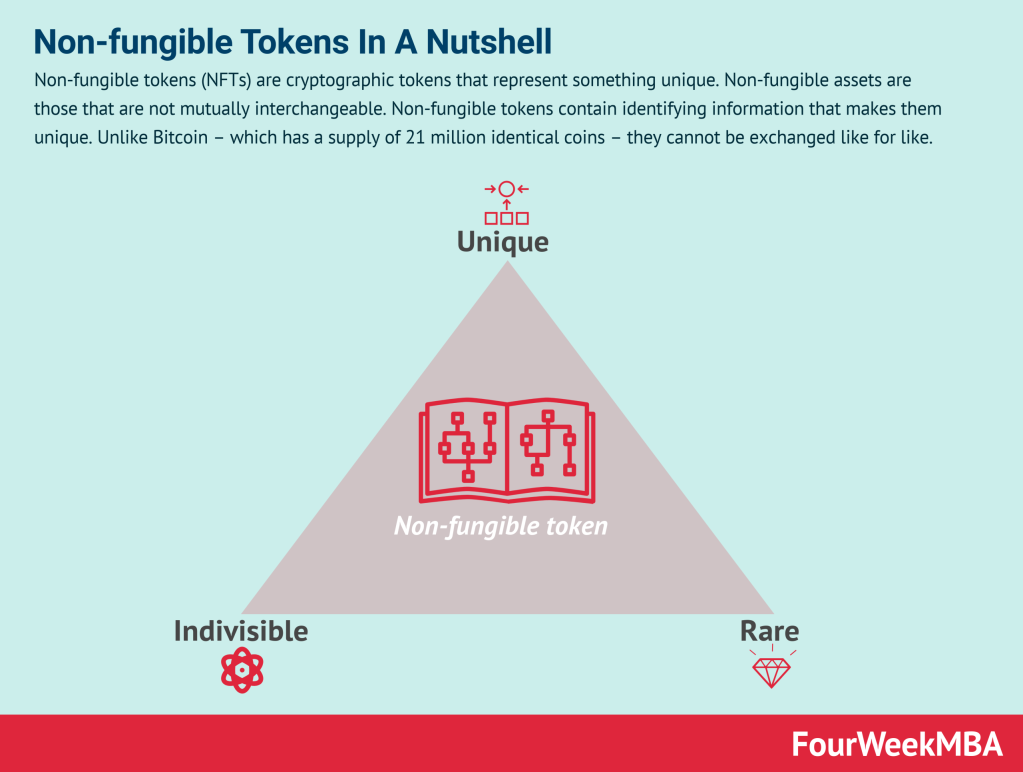
NFTs are digital assets verified using blockchain technology, distinguishing them as unique and non-interchangeable. Unlike cryptocurrencies such as Bitcoin or Ethereum, which are fungible and can be exchanged for one another, each NFT has distinct properties that make it special. This uniqueness allows for the creation and trading of digital collectibles that can hold significant value.
Current Trends and Developments
In 2023, the NFT market has shown resilience despite fluctuations in the cryptocurrency market. Major brands like Adidas and Nike are investing in NFTs to create exclusive digital wearables and merchandise. Additionally, artists like Beeple, who sold an NFT artwork for $69 million in 2021, have sparked widespread interest in how NFTs can change the perception of art ownership.
Marketplaces such as OpenSea and Rarible have continued to grow, facilitating the buying and selling of NFTs with millions of transactions reported monthly. Recent developments have also seen the rise of fractionalized NFTs, allowing multiple investors to own shares of a high-value digital asset.
Challenges and Controversies
Despite their popularity, NFTs face several challenges. Environmental concerns related to the energy consumption of blockchain networks have led to criticisms and calls for more sustainable practices. Furthermore, issues of copyright infringement and ownership disputes have risen, as creators sometimes find their works tokenized without their consent.
Conclusion
As non fungible tokens continue to evolve, they present both opportunities and challenges for digital creators and consumers alike. The future of NFTs may involve more regulatory oversight and greater emphasis on ethical practices in the digital space. For readers interested in investing or participating in the NFT market, it remains crucial to conduct thorough research and be aware of the associated risks. The ongoing developments within this sector suggest that NFTs will likely play an integral role in shaping our digital future.