Introduction
In a rapidly evolving digital landscape, artificial intelligence has become a powerful ally for businesses, and one of the most talked-about innovations is Copilot AI. This advanced technology is designed to assist users by streamlining workflows, enhancing productivity, and facilitating better decision-making. As companies increasingly adopt Copilot AI, understanding its significance and applications will be crucial for embracing the future of work.
What is Copilot AI?
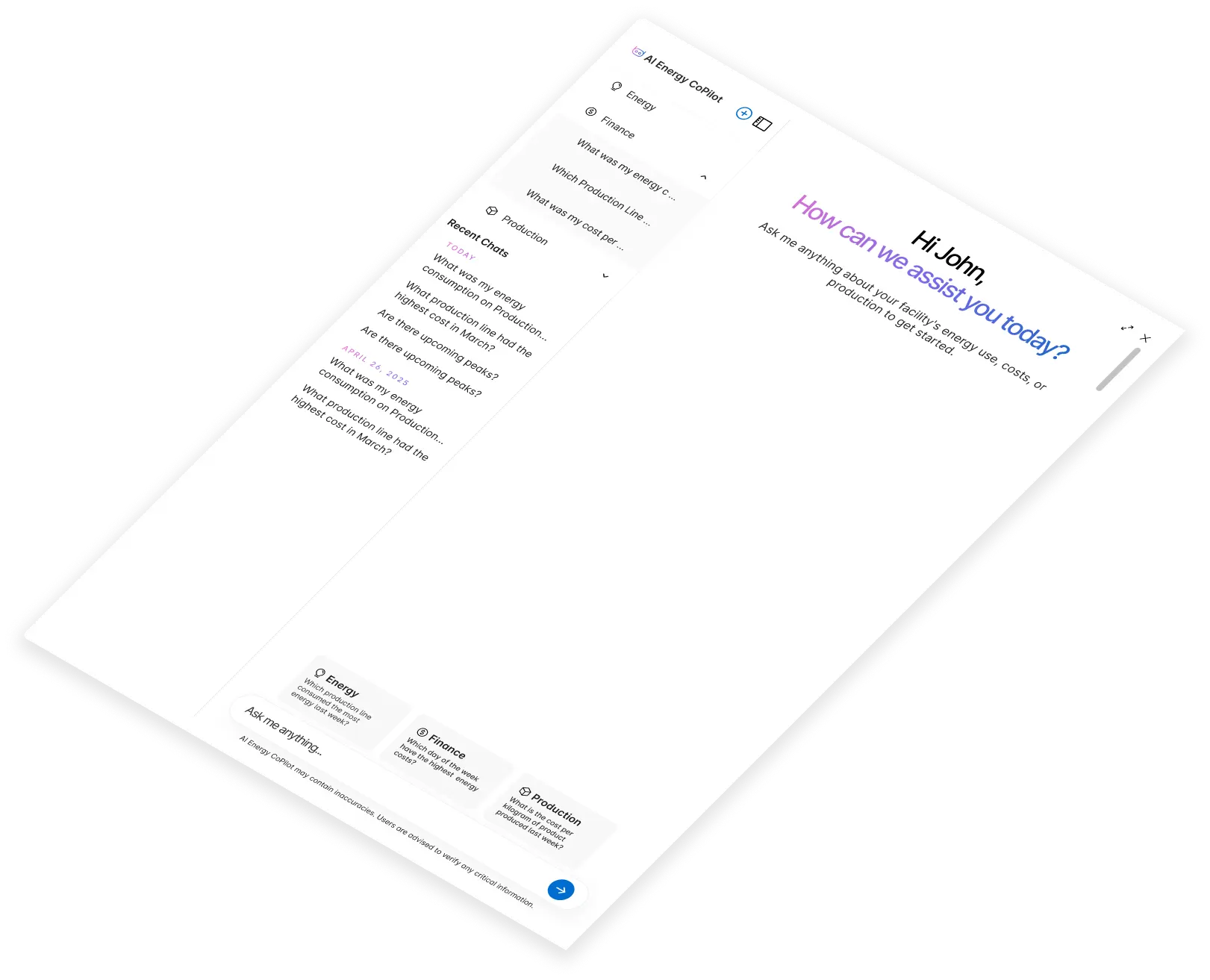
Copilot AI is an AI-driven assistant that integrates into various applications to offer real-time suggestions, automate repetitive tasks, and provide insights that can guide users in making informed decisions. Its capabilities are particularly showcased in industries like software development, content creation, and data analysis, where it helps professionals save time and reduce errors.
Recent Developments in Copilot AI
In recent months, major tech companies have launched or enhanced their versions of Copilot AI. For instance, Microsoft has revamped its Microsoft 365 suite with its AI tool, Microsoft Copilot, which integrates into applications like Word and Excel. This allows users to generate text and analyze data through natural language commands, significantly reducing the time spent on mundane tasks.
Similarly, GitHub Copilot has gained traction among developers, serving as a coding assistant that suggests code snippets and automates repetitive coding tasks, thus enabling faster software development cycles. These advancements indicate a growing trend toward the integration of AI into daily workflows.
The Impact of Copilot AI on Workplaces
The introduction of Copilot AI marks a substantial shift in how teams collaborate and produce work. By taking on repetitive tasks, AI allows employees to focus on more strategic initiatives that require human creativity and critical thinking. A recent survey found that over 70% of professionals using AI tools reported an increase in overall productivity and job satisfaction, showcasing the positive impact these tools can have.
However, there are concerns regarding the reliance on AI and the potential displacement of jobs. Experts argue that while some roles may evolve, new opportunities will arise that emphasize human skills such as leadership and empathy – qualities that AI cannot replicate.
Conclusion
The emergence of Copilot AI represents a significant advancement in how businesses operate, offering tools that promote efficiency while enhancing human capability. As adoption rates soar, companies must navigate the opportunities and challenges presented by AI technologies carefully. Looking forward, as more sophisticated versions of Copilot AI are developed, they are bound to become integral members of the workforce, shaping the future of work for years to come.