Introduction
Chain Mexican restaurants have become a staple in the American dining landscape, appealing to families, young professionals, and food enthusiasts alike. With their vibrant flavors and casual dining atmosphere, these establishments offer a taste of Mexico that is both accessible and economical. As the American palate grows increasingly diverse, the importance of chain Mexican restaurants in fostering a love for this cuisine cannot be overstated.
Current Landscape
Several chain Mexican restaurants have surged in popularity across the United States, notably Chipotle Mexican Grill, Taco Bell, and QDOBA Mexican Eats. Chipotle, established in 1993, has carved out a niche with its mission of serving high-quality, sustainably sourced ingredients. Now boasting over 2,600 locations, the chain has generated a following that values both flavor and health-conscious options.
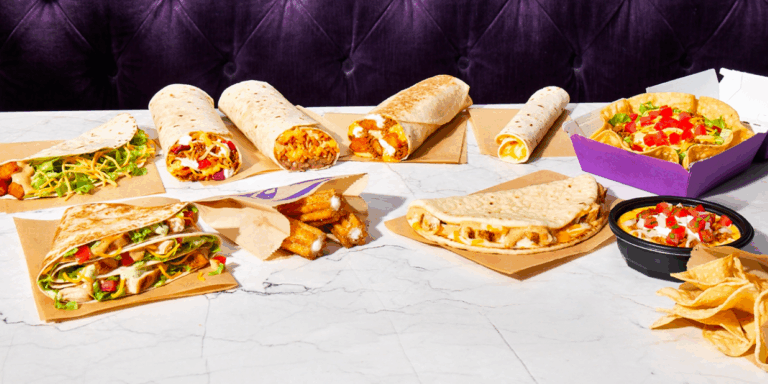
Taco Bell, founded in 1962, continues to innovate its menu to attract a younger demographic with its bold flavors and unique offerings, such as the Doritos Locos Tacos. With over 7,000 locations nationwide, Taco Bell has mastered the art of affordable fast food while maintaining a connection to traditional Mexican-inspired dishes.
QDOBA Mexican Eats, meanwhile, focuses on the customizable dining experience, allowing customers to create their own burritos, tacos, and salads. The brand has made significant headway, with over 750 locations and a loyal customer base drawn in by its fresh ingredients and flavor-packed menu items.
Challenges and Trends
Despite their success, chain Mexican restaurants face challenges such as meeting the increasing demand for vegetarian and vegan options, rising ingredient costs, and navigating supply chain disruptions. Additionally, restaurants must adapt to evolving consumer preferences that prioritize sustainability and health.
One notable trend has been the integration of technology into the dining experience. Many chain Mexican restaurants are investing in mobile ordering, delivery services, and contactless payments to enhance customer convenience, especially in a post-pandemic landscape.
Conclusion
The rise of chain Mexican restaurants illustrates the growing popularity of this cuisine in America. As these establishments continue to evolve with consumer preferences, they serve not only as a convenient dining option but also as cultural ambassadors, providing a taste of Mexico within the American culinary scene. In the coming years, we can expect continued innovation and expansion from these chains, keeping the flavors of Mexico at the forefront of the dining experience.