Introduction
The Pizza Gate conspiracy theory emerged during the 2016 U.S. presidential election, gaining traction through social media. This phenomenon has become an important case study in understanding how misinformation can spread, particularly in the digital age. The theory falsely alleged that a Washington, D.C. pizzeria was involved in human trafficking and a child abuse ring connected to prominent political figures. The significance of this topic extends beyond its initial claims, as it highlights the dangers of conspiracy theories and their real-world consequences.
The Birth of Pizza Gate
The origins of Pizza Gate can be traced back to leaked emails from John Podesta, Hillary Clinton’s campaign chairman, which were released by WikiLeaks. Conspiracy theorists interpreted certain phrases and references in these emails as indicators of a covert trafficking network. Social media platforms like Reddit and Twitter further fueled the fire, allowing the narrative to spread rapidly.
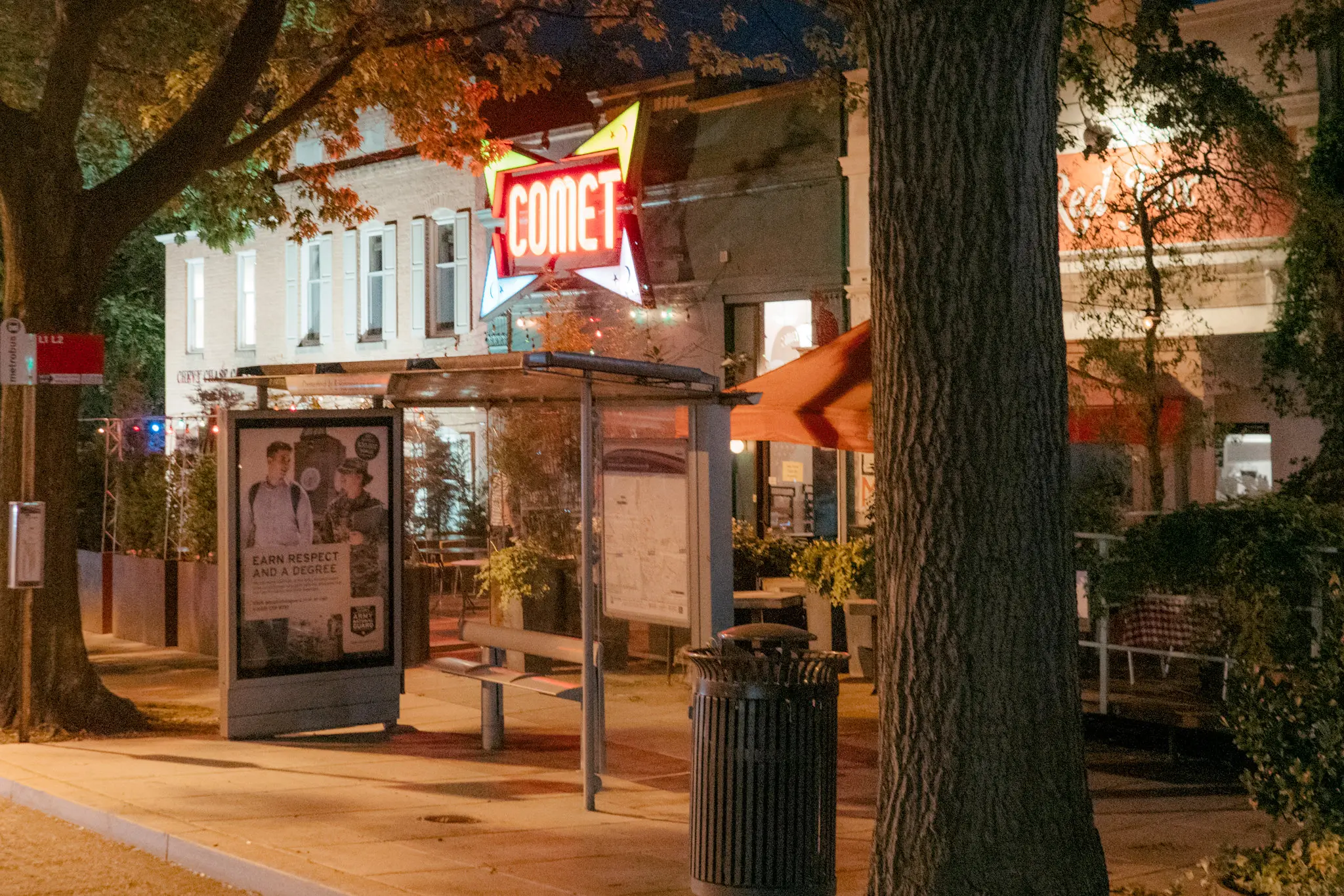
In December 2016, a man entered Comet Ping Pong, the pizzeria at the center of the conspiracy, armed with a firearm to “investigate” the claims. Fortunately, no one was harmed, but this incident illustrated the dangerous implications of the theory and how it could spur individuals to take violent action based on unfounded beliefs.
The Larger Impact and Response
In the aftermath of the Pizza Gate incident, there was a significant backlash against fake news and misinformation. Social media companies faced increased pressure to combat the spread of false narratives that could incite violence or harm individuals. Platforms like Facebook and Twitter implemented new policies to flag or remove misleading content, highlighting the urgency to address misinformation in the digital age.
Moreover, discussions surrounding Pizza Gate have opened broader conversations about the vulnerability of individuals to conspiracy theories. It has prompted psychologists and sociologists to investigate why some people are drawn to such narratives, noting that crises—like elections or pandemics—can lead individuals to seek explanations that align with their worldviews, however unfounded those explanations might be.
Conclusion
The Pizza Gate controversy serves as a cautionary tale on the potency of misinformation and its potential to incite real-world consequences. As society becomes increasingly reliant on digital media for information, it is imperative to foster critical thinking and media literacy among the public. The evolution of conspiracy theories like Pizza Gate underscores the ongoing struggle against false narratives in an age where information travels faster than ever. As we move forward, it is essential for technology companies, governments, and individuals to work collaboratively to ensure a well-informed society that can discern fact from fiction.