The Significance of Friday the 13th
Friday the 13th is widely regarded as an unlucky day in various cultures, often leading to widespread anxiety and superstition. Its relevance spans beyond just a date on the calendar, influencing daily decisions and behaviors. From ancient times to modern society, this date has garnered attention due to its association with misfortune and bad luck.
The Origins of the Superstitions
Various theories attempt to explain why Friday the 13th is perceived as unlucky. One popular belief combines two historic elements: the number 13, considered unlucky in many cultures, and Friday, traditionally viewed as an ill-fated day. The fear of the number 13, known as triskaidekaphobia, dates back centuries and is often linked to religious beliefs, including the Last Supper where Judas, the 13th guest, betrayed Jesus.
Similarly, Fridays have been historically associated with bad fortune. For example, some references suggest that Friday was the day of Jesus’ crucifixion, further deepening its negative connotations. Together, the day and the number create a potent superstition that has persisted through the ages.
Modern Interpretations and Cultural Impact
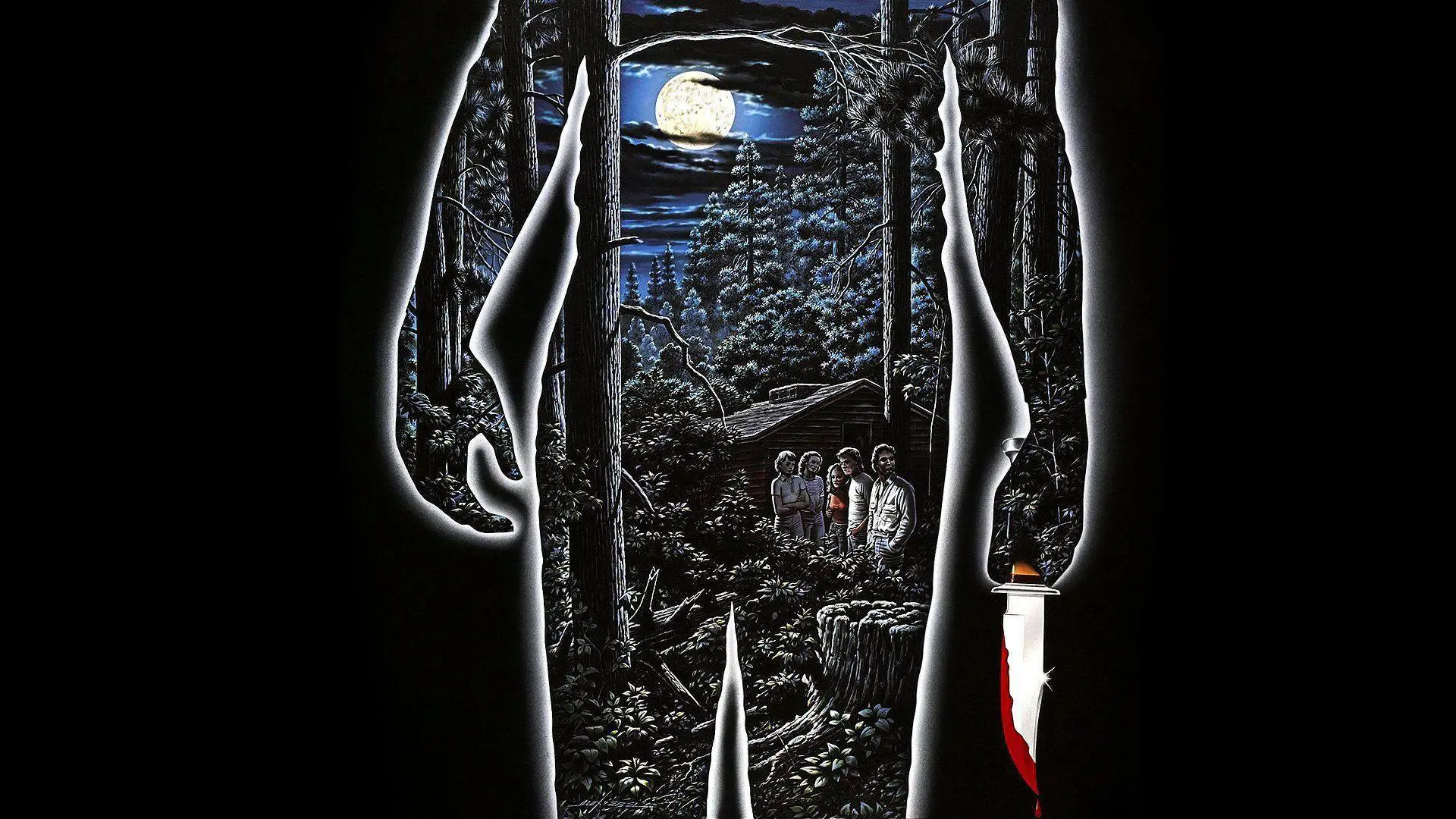
In contemporary times, the fear of Friday the 13th has infiltrated various aspects of culture, including film and literature. The horror film franchise “Friday the 13th,” which began in 1980, has played a significant role in shaping the day’s cultural perception. A tale of a masked killer, it has contributed to the popularization of the date as a time for horror-themed events and celebrations.
Moreover, various businesses have noted a trend where some individuals actively avoid making important decisions on this day, preferring to stay home rather than take risks. It is estimated that around $800 million in economic activity is lost in the United States each time Friday the 13th occurs, as people choose to stay indoors instead of engaging in non-essential activities.
Conclusion: The Enduring Legacy of Friday the 13th
Whether viewed as an unlucky day or simply as a curious artifact of folklore, Friday the 13th remains an intriguing topic that reflects societal fears and beliefs. As it continues to spark conversation and inspire artistic expression, the day serves as a reminder of human tendencies to attach meaning to superstitions. Looking forward, as more scientific minds and skeptical viewpoints become prevalent, the future perception of Friday the 13th may evolve, yet its place in cultural folklore is assured.