Understanding the MBTA
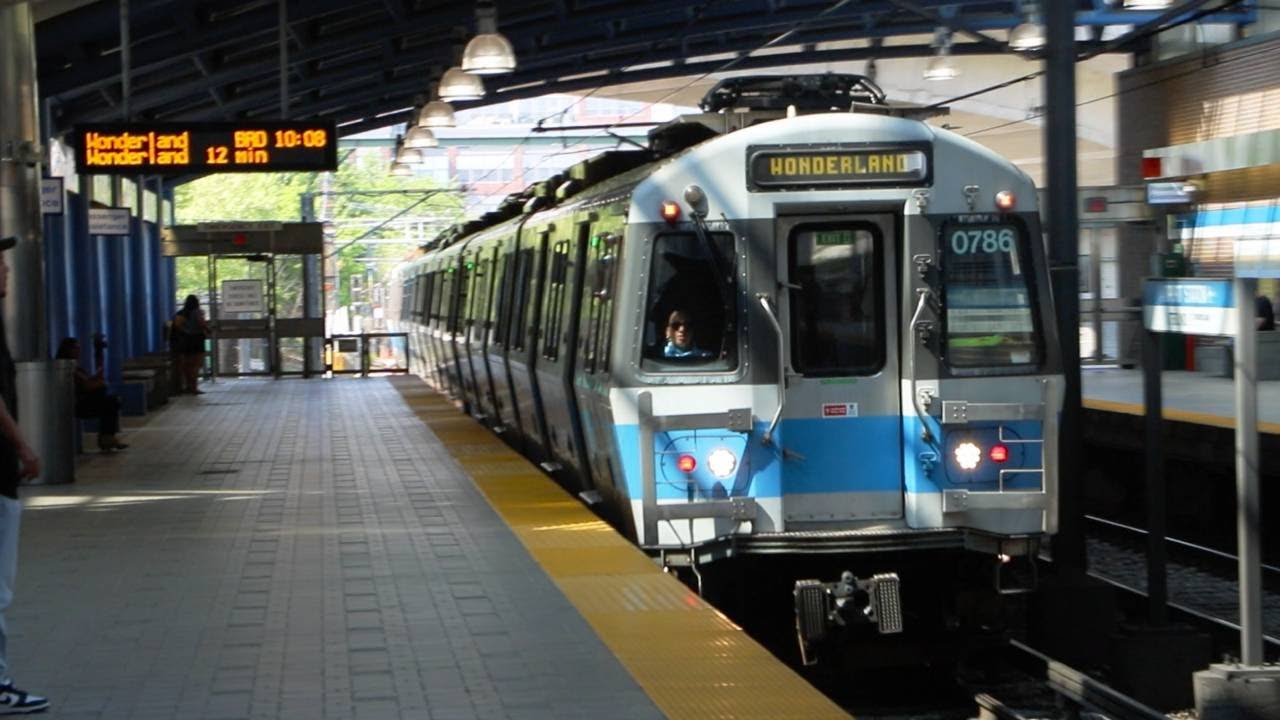
The Massachusetts Bay Transportation Authority (MBTA), known informally as “The T,” serves millions of riders annually, providing a vital link for commuting throughout Boston and its neighboring communities. As one of the oldest transit systems in the U.S., the MBTA is crucial for economic development and mobility in the Greater Boston area.
Recent Developments
In recent months, the MBTA has undertaken significant initiatives to improve its services. In light of post-pandemic challenges, it has increased the frequency of subway and bus services to accommodate the surge in ridership. Recent data shows a rebound with weekday ridership averaging around 60% of pre-pandemic levels, signaling a slow yet gradual return to normalcy.
The MBTA is also embracing technology, with upgrades to its fare collection system that aim to enhance user experience. The introduction of the new CharlieCard system will make it easier for riders to pay their fares electronically and track their travel patterns via a dedicated app, which is expected to launch by the end of 2023.
Funding and Future Projects
As part of a broader strategy, the MBTA has received significant federal funding, contributing millions to infrastructure improvements and maintenance. Funding from the Bipartisan Infrastructure Law is expected to facilitate critical upgrades across the network, including modernization of aging stations and expansion of bus rapid transit routes.
Challenges Ahead
Despite these positive changes, the MBTA faces ongoing challenges, including addressing service reliability and infrastructure issues that have plagued the system for years. Recent reports have highlighted the need for personnel training and retention, as a shortage of staff continues to affect service levels and operational efficiency.
Conclusion: The Significance of MBTA
As the MBTA continues its efforts to modernize and adapt to the needs of its riders, its role in the region is more critical than ever. The outcome of its ongoing projects and service improvements will not only impact the daily lives of commuters but also contribute to the environmental sustainability goals of Massachusetts. Looking ahead, the MBTA’s ability to innovate and respond proactively to challenges will determine its efficacy as a transit authority and its importance in facilitating Greater Boston’s growth.