Introduction
The Manchester Attack, which took place on May 22, 2017, remains a significant and heart-wrenching event in the context of global terrorism. An explosion at an Ariana Grande concert at the Manchester Arena not only caused loss of life but also ignited a wave of discussions regarding security measures at public events, mental health support for victims, and community resilience in the face of tragedy. This tragic incident serves as a reminder of the vulnerabilities faced in contemporary settings, underscoring the importance of vigilance, empathy, and communal harmony.
The Tragic Events of May 22, 2017
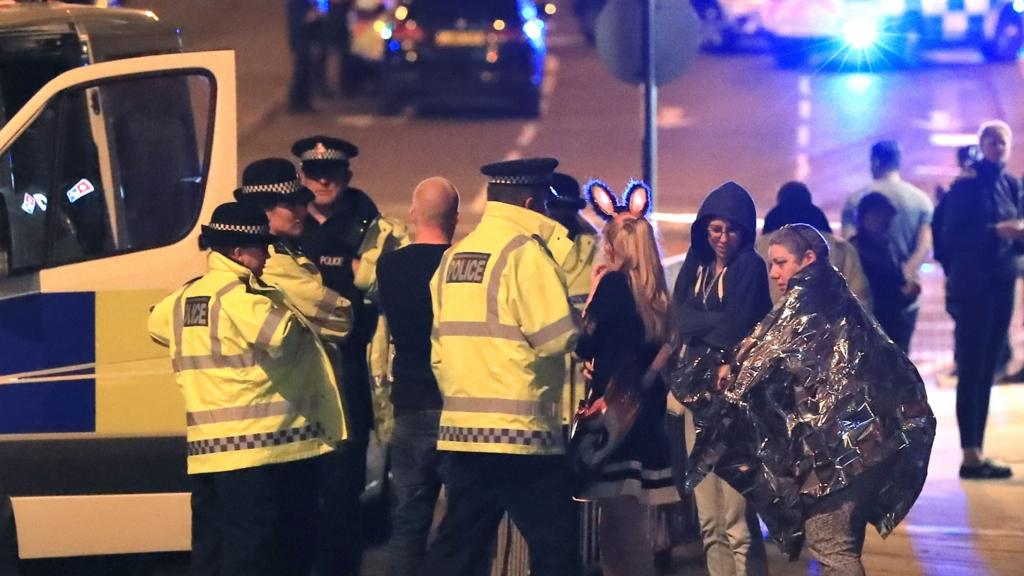
On that fateful evening, Salman Abedi, a 22-year-old British citizen of Libyan descent, detonated a homemade bomb as concertgoers were leaving the Manchester Arena, claiming the lives of 22 people and injuring hundreds more. The youngest victim was just 8 years old, and many were attendees who had traveled from various parts of the UK and other countries to see the concert. Emergency services carried out swift operations to rescue the injured, while social media played a crucial role in linking survivors with their families. The UK’s security level was raised to critical shortly after the attack, highlighting the immediate threat perceived by authorities.
Community Response and Resilience
In the aftermath of the attack, the city of Manchester showed remarkable resilience. The phrase “Manchester Together” emerged as a symbol of unity and strength. Vigils were held across the city to honor the victims, illustrating the communal grief and support that enveloped the region. Additionally, fundraising efforts significantly exceeded expectations, leading to over £20 million collected for the victims and their families, which illustrated the compassion and solidarity of the community.
Security Enhancements and Ongoing Support
In response to the attack, security measures at public events have been tightened. The government initiated several reviews of safety protocols, advocating for increased surveillance and more robust security checks. Furthermore, mental health initiatives were ramped up to assist those affected by the attack, recognizing the long-term psychological impacts of such traumatic experiences. Local authorities, along with mental health organizations, have strived to offer ongoing support for both victims and their families.
Conclusion
The Manchester Attack stands as a poignant reminder of the fragility of safety in public spaces and the impact of terror on innocent lives. As we commemorate the victims and their families, it is essential to continue fostering community ties and advocating for effective security measures. The endeavors to heal and support each other remain ongoing, illustrating a resilient spirit against the backdrop of tragedy. Continued vigilance and mutual compassion will be crucial in navigating the challenges of living in a world where such events can occur.