Introduction
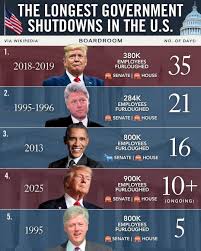
The U.S. government shutdown is a significant event that can impact millions of Americans and the economy at large. The longest government shutdown in U.S. history came about in late 2018 and early 2019, lasting an unprecedented 35 days. Understanding this shutdown provides insights into political processes, federal services, and the broader implications for the country.
Details of the Shutdown
The shutdown began on December 22, 2018, as a result of a funding disagreement between Congress and President Donald Trump over the funding of a border wall. Approximately 800,000 federal employees were affected, with many furloughed or working without pay. Essential services, such as national security, were maintained, but many non-essential government operations were impaired. National parks closed or reduced services, and hundreds of thousands of workers faced financial hardship.
Consequences and Public Reaction
The repercussions of the shutdown were profound. Federal workers who missed paychecks struggled to make ends meet, leading to increased use of food assistance programs and financial hardship for families. Major organizations, including the National Park Service, reported significant losses in revenue as parks closed, affecting local economies dependent on tourism. Public sentiment varied, with many Americans expressing frustration over the political stalemate that led to the shutdown and its cascading effects.
The End of the Shutdown
After weeks of negotiations and public pressure, the shutdown ended on January 25, 2019. Congress agreed to fund the government without specifying border wall funding, temporarily averting further political fallout. Following the shutdown, discussions centered around long-term budget reforms and mechanisms to avoid future impasses.
Conclusion
The longest government shutdown in U.S. history was a pivotal moment in political discourse, highlighting the frailties of governmental operations and the life-altering impacts on citizens and services. As policymakers look to the future, this event serves as a stark reminder of the need for bipartisan cooperation to ensure that such lengthy disruptions do not occur again. Forecasts suggest increased urgency for reforms in the budgeting process to improve feasibility and transparency, ultimately benefiting both government operations and American citizens.