Introduction
OJ Simpson, once celebrated as a football legend and an American cultural icon, has had a life marked by both astounding athletic achievements and dramatic controversies. Born on July 9, 1947, in San Francisco, California, Simpson rose to fame in the 1960s and 70s as a running back for the USC Trojans and later the Buffalo Bills, becoming the first NFL player to rush for over 2,000 yards in a single season. His journey reflects broader themes of race, fame, and the American legal system, making his story particularly relevant in today’s discussions around celebrity and justice.
Career Highlights
Simpson’s career in football was nothing short of outstanding. He won the Heisman Trophy in 1968 and, after being drafted by the Buffalo Bills in 1969, quickly made his mark in the NFL. Over his career, he accumulated numerous awards including the NFL MVP in 1973 and was a six-time Pro Bowl selection. Beyond his athletic prowess, Simpson became a successful actor and sports commentator, further embedding himself into American pop culture.
The Trials and Tribulations
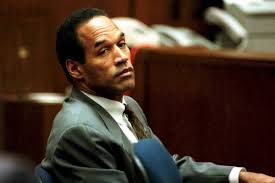
The narrative around OJ Simpson took a dramatic turn with the murder of his ex-wife Nicole Brown Simpson and her friend Ron Goldman in June 1994. Simpson was charged with the murders, leading to a high-profile trial that captivated the nation. The trial, which lasted from 1994 to 1995, saw intense media coverage and public interest, exposing deep societal divides, particularly regarding race and the American criminal justice system. The infamous statement “If it doesn’t fit, you must acquit” became etched in the minds of many, showcasing the controversial nature of Simpson’s defense.
Impact and Legacy
OJ Simpson’s trial not only highlighted issues surrounding celebrity in America but also sparked critical conversations about race relations, domestic violence, and the judicial system. Following his acquittal, Simpson’s life took further tumultuous turns, including legal issues and imprisonment for robbery in 2007. Although his criminal trial ended in an acquittal, a civil trial later found him liable for wrongful death, demonstrating the complexities of justice.
Conclusion
Today, OJ Simpson remains a polarizing figure. His legacy serves as a stark reminder of the intersection between fame, race, and the law in America. As discussions around these themes continue to evolve, Simpson’s story offers insights into both the complexities of celebrity culture and the ongoing challenges within the justice system. For those looking to understand the impact of celebrity on legal proceedings or the sociocultural ramifications surrounding race in America, the saga of OJ Simpson provides invaluable lessons and reflections.