Introduction
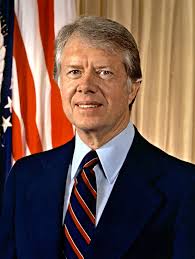
Jimmy Carter, the 39th President of the United States, is a figure of significant importance in American history. His presidency from 1977 to 1981 was marked by efforts to address civil rights, economic challenges, and foreign policy concerns, particularly the Iran Hostage Crisis. Beyond his time in office, Carter’s humanitarian contributions and role as a global ambassador have solidified his legacy in the public’s consciousness. At 98, he remains an inspiring example of public service and resilience.
Early Life and Career
Born on October 1, 1924, in Plains, Georgia, Jimmy Carter grew up in a rural farming family. After serving in the U.S. Navy during World War II, he took over the family peanut farm. His early foray into politics began in the Georgia State Senate in 1963, where he emphasized the need for improved education and public welfare. His commitment to his community helped him win the governorship of Georgia in 1970, setting the stage for his presidential bid.
Presidency and Major Initiatives
Carter’s presidency was marked by notable achievements and challenges. He championed human rights on the global stage, emphasizing morality in foreign relations. His efforts included the Camp David Accords in 1978, which brokered peace between Egypt and Israel. Domestically, Carter introduced initiatives aimed at energy conservation and environmental protection but faced significant challenges due to economic recession, high inflation, and fuel crises.
One of the most defining moments of his presidency was the Iran Hostage Crisis, where 52 American diplomats and citizens were held captive for 444 days, creating a perception of vulnerability for his administration. His presidency ended with the hostages’ release, but the challenges faced contributed to his defeat in the 1980 election against Ronald Reagan.
Post-Presidential Life and Humanitarian Work
After leaving office, Jimmy Carter did not retreat from public life. Instead, he became an ambassador of peace, dedicating himself to humanitarian efforts globally. His work through the Carter Center has included initiatives in disease eradication, promoting democracy, and mediation in international conflicts.
In 2002, Carter was awarded the Nobel Peace Prize for his decades of service to humanity, reinforcing his role as a global leader post-presidency. His commitment to human rights and social justice resonated worldwide.
Conclusion
Jimmy Carter’s life and career encapsulate a commitment to public service that transcends the pressures of political office. As he continues to break records as the oldest living president, his legacy endures through his advocacy and compassionate leadership. Understanding Carter’s contributions is crucial for contemporary reflections on civic duty and international relations. His ongoing influence serves as a reminder of the impact of dedicated public service and the importance of continuing to champion human rights for future generations.