Introduction
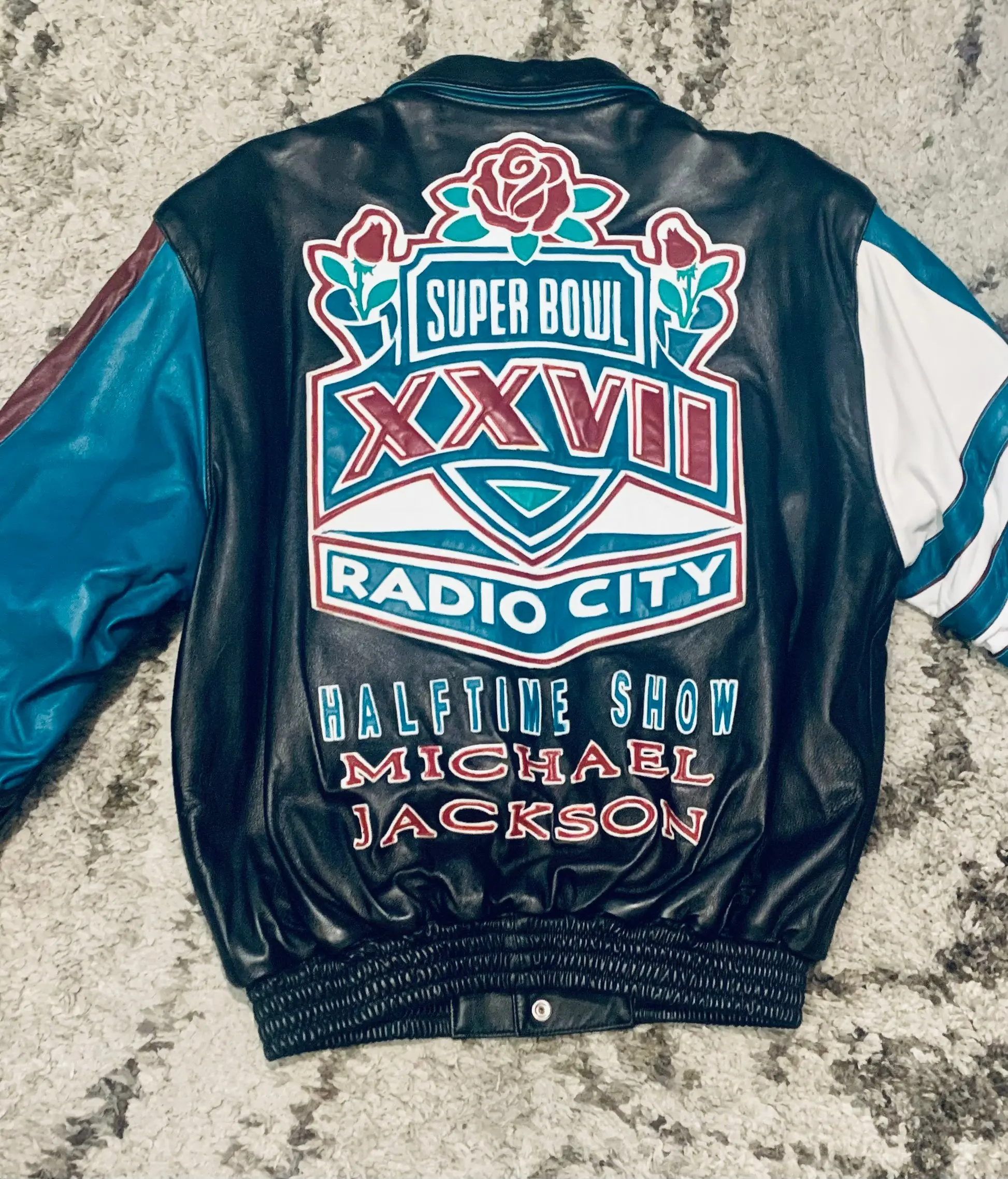
Michael Jackson’s performance at the Super Bowl XXVII halftime show in 1993 is widely regarded as a pivotal moment in entertainment history. The significance of this performance transcends mere entertainment; it redefined the halftime show and set a new standard for future performances. As the Super Bowl continues to evolve, Jackson’s influence remains palpable.
Michael Jackson’s Iconic Performance
On January 31, 1993, at the Rose Bowl in Pasadena, California, Jackson delivered a groundbreaking performance that featured a medley of his greatest hits, including “Billie Jean,” “Black or White,” and “Beat It.” The show was marked by elaborate choreography, stunning visuals, and a massive audience both in-stadium and in homes around the world. Jackson’s entrance, which involved him appearing from a platform, showcased his signature style and charisma. It was estimated that over 130 million viewers tuned in, making it one of the most-watched televised events in history.
Cultural Impact and Changes in Halftime Shows
Before Jackson’s performance, Super Bowl halftime shows were often characterized by marching bands and less dynamic entertainment. His show revolutionized the halftime format, shifting the focus toward high-profile music artists and elaborate productions. This change set the stage for future performances featuring major stars like Beyoncé, Lady Gaga, and Shakira. Jackson’s attention to detail, including the integration of narrative elements and social themes, further influenced how artists approached their Super Bowl appearances.
Reverberations in Popular Culture
Jackson’s Super Bowl halftime show not only changed sports entertainment but also cemented his status as the King of Pop in the eyes of the public and industry professionals alike. His impact can be seen in various cultural references, such as tributes and parodies across social media and television. Numerous athletes, performers, and celebrities cite Jackson’s show as a significant inspiration for their careers. The fusion of music and sports that Michael Jackson pioneered continues to thrive today.
Conclusion
Michael Jackson’s Super Bowl halftime show is more than just a memorable performance; it is an enduring legacy that reshaped the landscape of live entertainment. As the NFL seeks to attract diverse audiences and elevate the spectacle of its halftime shows, Jackson’s influence lingers, reminding us that a great performance can reach beyond its immediate context and leave a lasting mark on culture. Looking ahead, we can anticipate how new artists will continue to draw inspiration from the triumphs of Jackson as they step onto one of the biggest stages in the world.