Introduction
Miami Vice, a groundbreaking television series that originally aired from 1984 to 1989, revolutionized the crime drama genre with its unique blend of style, music, and compelling storytelling. Set against the vibrant backdrop of Miami, Florida, the show not only captivated audiences during its original run but also left an enduring impact on popular culture. Its stylized visuals and synth-heavy soundtrack became characteristic of the 1980s, transforming the way future shows approached aesthetics and narrative.
A Unique Blend of Style and Substance
The series was created by Anthony Yerkovich and was notable for its glamorous portrayal of undercover cops, played by Don Johnson as Detective James “Sonny” Crockett and Philip Michael Thomas as Detective Ricardo Tubbs. Miami Vice stood out from contemporaneous shows through its integration of popular music, often featuring soundtracks from top artists such as Phil Collins and Jan Hammer, which helped establish the sound of a generation.
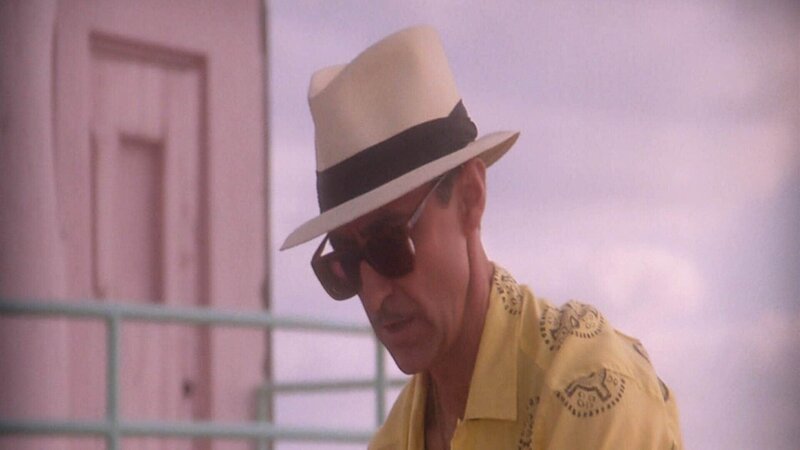
Each episode typically included a mix of high-stakes drama, social issues, and often, a mixture of pop culture references that resonated with viewers. The show was also renowned for its innovative use of colors and lighting, along with a stylish wardrobe that defined fashion trends of the 80s. It introduced audiences to a world where fashion was just as important as the story being told.
Cultural Impact and Legacy
Miami Vice not only garnered critical acclaim but also enjoyed commercial success. It won multiple awards, including two Golden Globe Awards, and became a significant part of television history, influencing a variety of artists and shows that followed. The series has been credited for paving the way for a new era of cop dramas, leading to more stylized storytelling found today.
The unique aesthetic of Miami Vice transcended television, influencing fashion, music videos, and films. It is often cited as a precursor to the rise of neo-noir films and contemporary crime dramas, including shows like *Breaking Bad* and *Narcos*.
Conclusion
As we look back on Miami Vice, it stands as a testament to the power of television to shape culture and reflect societal trends. Not only did it entertain audiences in the 80s, but it also set new benchmarks for what could be achieved in storytelling and production value. The show’s legacy continues to evoke nostalgia and intrigue, making Miami Vice more relevant than ever as new generations discover its iconic episodes. With potential reboots and continued homage in modern media, Miami Vice remains a classic, serving as a reminder of the enduring allure of both style and substance in storytelling.