Introduction
Les Wexner, a name synonymous with success in retail, has left an indelible mark on the fashion industry and philanthropy. As the founder of L Brands, which includes iconic brands like Victoria’s Secret and Bath & Body Works, Wexner’s influence extends beyond business into various charitable endeavors. Understanding his journey and impact is crucial for those interested in business leadership and philanthropy.
Wexner’s Rise to Prominence
Born on September 8, 1937, in Columbus, Ohio, Les Wexner graduated from Ohio State University before setting forth on his remarkable career. In 1963, he opened the first Graydons store in Columbus, soon expanding into an empire. By founding The Limited Inc. in 1963, he set the foundation for what would later become L Brands. His vision for creating a specialized retail experience targeted at young women revolutionized the way apparel was marketed.
Business Innovations
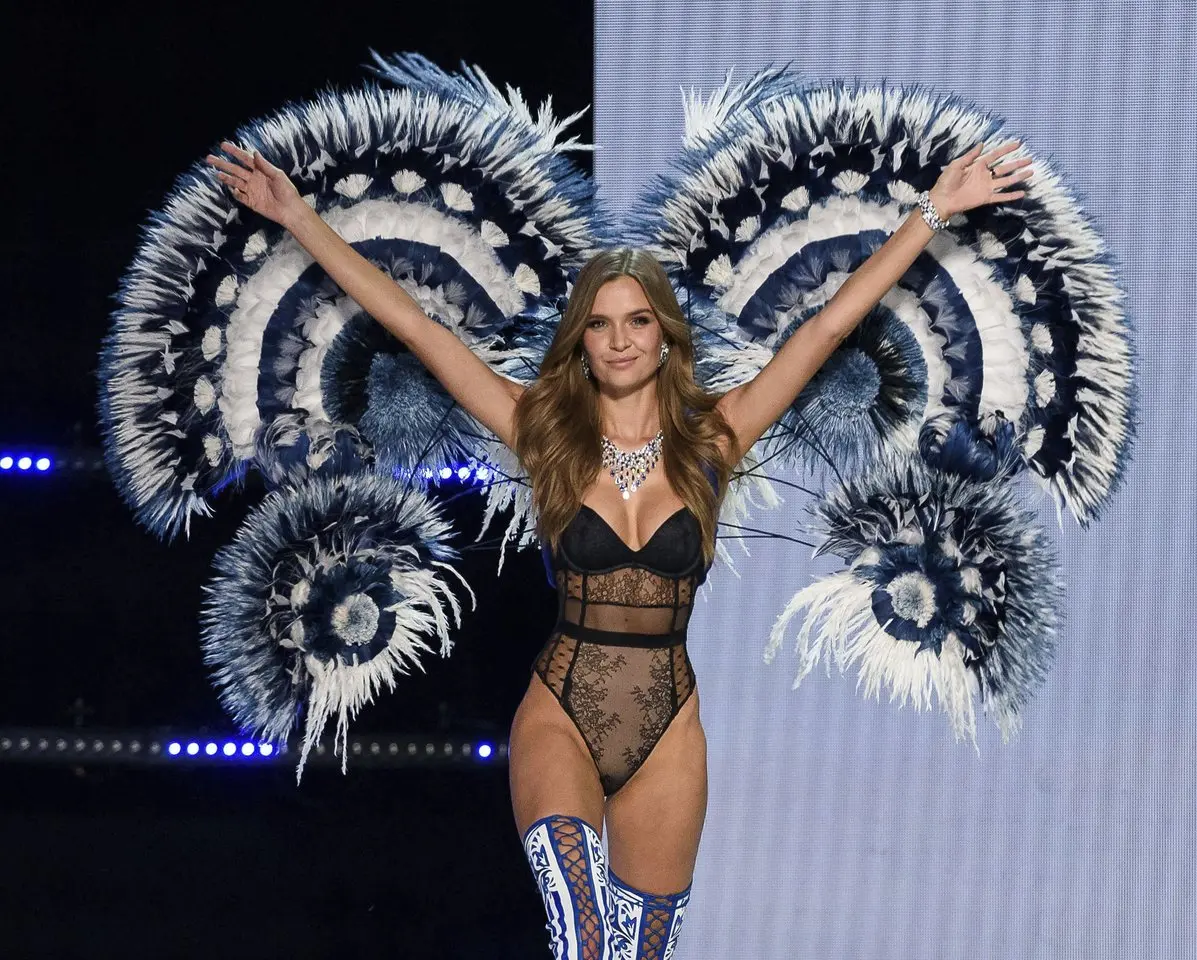
Wexner’s innovative approach helped build L Brands into one of the largest clothing retailers in the world. Under his leadership, Victoria’s Secret transformed into a multi-billion-dollar brand known for its high-profile fashion shows and celebrity endorsements. By emphasizing a blend of marketing and product quality, Wexner not only focused on profits but also on creating a lifestyle around his brands. Additionally, he was instrumental in the introduction of store concepts that catered specifically to consumer needs—a groundbreaking move at the time.
Philanthropic Contributions
Beyond his corporate achievements, Wexner is recognized for his extensive philanthropic efforts. He has donated enormous sums to various causes, including education, health, and the arts. Notably, Wexner and his wife, Abigail, contributed $30 million to the Wexner Center for the Arts in Columbus, reflecting their commitment to cultural initiatives. Wexner’s philanthropy extends to his support of Ohio State University, with significant funding enhancements tailored to diverse student programs and scholarships.
Recent Events and Controversies
In recent years, Wexner’s name has come up in discussions regarding his relationship with the late Jeffrey Epstein, which led to scrutiny over his business practices and personal connections. Despite this, Wexner has remained a significant figure in business and philanthropy, stepping down from his role as CEO of L Brands in 2020, amid a larger restructuring of the company.
Conclusion
The legacy of Les Wexner is complex, showcasing both the heights of business innovation and the challenges of public scrutiny. His impact on retail is undeniable, and his philanthropic endeavors have improved the lives of countless individuals. As Wexner’s story continues to evolve, it serves as a reminder of the dynamic interplay between business success and moral accountability. Observers of the retail world can expect that his influence will endure, inspiring future generations of business leaders and philanthropists alike.