Introduction
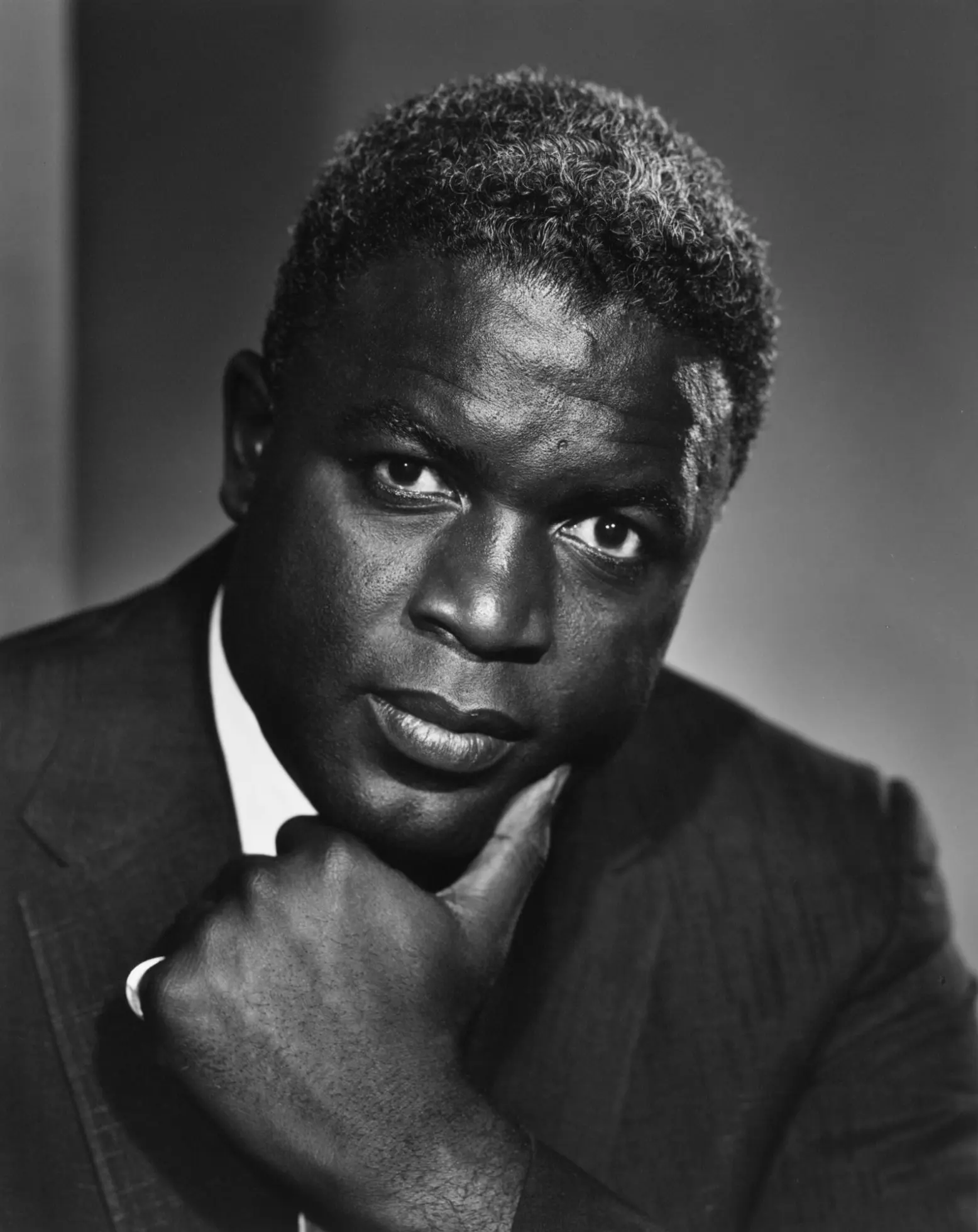
Jackie Robinson, an iconic figure in American sports history, is celebrated not just for his prowess on the baseball diamond but also for his significant role in civil rights advocacy. Breaking the color barrier in Major League Baseball (MLB) in 1947, Robinson became a symbol of hope and progress, inspiring future generations of athletes and activists alike. His legacy is particularly relevant today, as discussions surrounding equality and representation continue to evolve.
Background on Jackie Robinson
Born on January 31, 1919, in Cairo, Georgia, Robinson showed exceptional talent in multiple sports from a young age. After serving in the U.S. Army during World War II, he joined the Kansas City Monarchs, a prominent team in the Negro Leagues. His remarkable skills soon caught the attention of Branch Rickey, the president of the Brooklyn Dodgers, who saw in Robinson the potential to change the landscape of baseball.
Breaking Barriers
On April 15, 1947, Jackie Robinson took the field for the Brooklyn Dodgers against the Boston Braves, becoming the first African American to play in the Major Leagues since the 1880s. This monumental moment not only transformed the sport but also had far-reaching implications for the civil rights movement in America. Robinson faced immense racism and hostility from fans, players, and even some teammates; however, he persevered with dignity and grace, determined to succeed both as a player and as a role model.
Impact on Society
Robinson’s influence extended well beyond the baseball field. His successes paved the way for other African American athletes in various sports. Additionally, he became actively involved in civil rights initiatives, advocating for equality and social justice. His commitment to these causes remains a powerful reminder of the importance of sports figures in social movements. In 1962, Robinson was inducted into the Baseball Hall of Fame, further cementing his legacy in American culture.
Conclusion
Jackie Robinson’s contribution to baseball and society as a whole is profound and enduring. His bravery to confront racism and injustice has left an indelible mark on sports and civil rights, making him a timeless figure in American history. As we reflect on his legacy today, it is essential to recognize how his story continues to inspire conversations about diversity, equity, and inclusion in sports and beyond. As more individuals seek to follow in his footsteps, the impact of Jackie Robinson’s legacy will undoubtedly continue to resonate.