Introduction
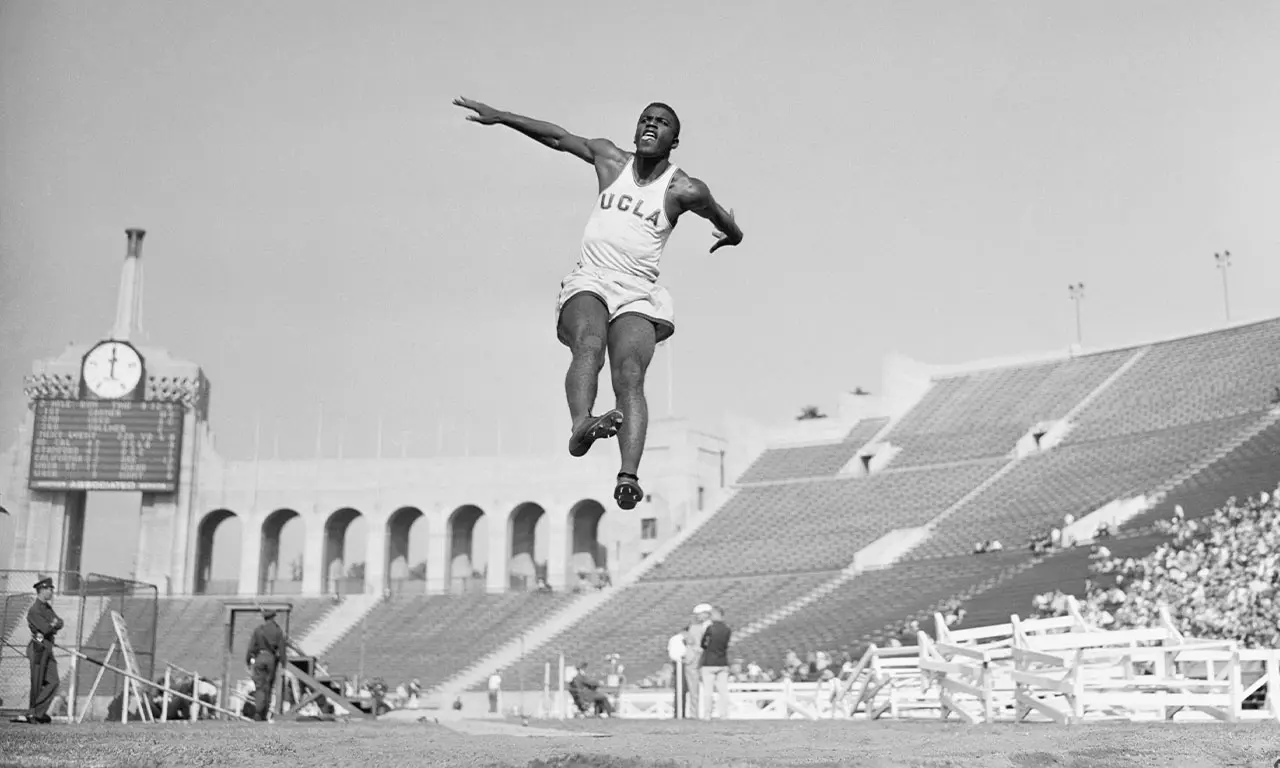
Jackie Robinson, who broke Major League Baseball’s color barrier in 1947, remains a pivotal figure in sports and civil rights history. His impact transcended the game, making him a symbol of equality and perseverance. As discussions regarding race in sports continue, Robinson’s legacy is ever relevant, reminding us of the struggles and triumphs that have shaped American society.
Breaking the Color Barrier
On April 15, 1947, Jackie Robinson stepped onto the field as a member of the Brooklyn Dodgers, making history as the first African American to play in Major League Baseball in the modern era. Despite facing rampant racism and hostility, Robinson’s extraordinary talent and composure under pressure turned the tide for baseball, setting a precedent for desegregation in sports.
Robinson’s Achievements
Robinson’s impact was not solely about breaking the color barrier; he was an exceptional athlete. Throughout his career, he achieved numerous milestones, including being named the National League Rookie of the Year in 1947, winning the MVP award in 1949, and being a six-time All-Star. His remarkable speed on the base paths and versatile play earned him a place in baseball’s Hall of Fame in 1962.
Broader Impacts on Civil Rights
Robinson’s influence extended beyond the baseball diamond. He became a prominent advocate for civil rights, using his platform to speak out against racism and inequality. His friendship with Martin Luther King Jr. and involvement with organizations like the NAACP signified his commitment to social change. Robinson believed that sports could serve as a catalyst for social transformation, inspiring athletes to take stands against injustice.
Conclusion
The legacy of Jackie Robinson is woven into the fabric of American history. His courage not only altered the dynamic of baseball but also encouraged future generations to pursue social justice and equality. As we celebrate his achievements, it is essential to remember the challenges he faced and the progress that still needs to be made. Robinson’s story serves as a reminder that sports can change lives and societies, leaving an indelible mark on history and inspiring ongoing conversations about race and equity in America.