Introduction
Desmond Howard is a household name in American football, celebrated for his incredible skills on the field and his insightful analysis off it. His journey from a Heisman Trophy winner at the University of Michigan to a key player in the NFL and later a respected sports analyst illustrates the impact he has had on the sport. As we navigate through an era of evolving football dynamics, Howard’s contributions continue to resonate and inspire a new generation of athletes and fans.
A Glorious Career
Born on May 15, 1970, in the heart of Cleveland, Ohio, Desmond Howard showcased exceptional talent from a young age. He honed his skills at the University of Michigan, where he won the prestigious Heisman Trophy in 1991, becoming one of the most recognized college football players of his time. His extraordinary performance as a wide receiver and return specialist earned him varied accolades, leading to his selection as the fourth overall pick in the 1992 NFL Draft by the Washington Redskins.
Throughout his NFL career, Howard played for several teams including the Green Bay Packers, where he notably won Super Bowl XXXI. His electrifying punt return for a touchdown during the game solidified his legacy and earned him the Super Bowl MVP award, a recognition few specialists receive.
Transition to Sports Analyst
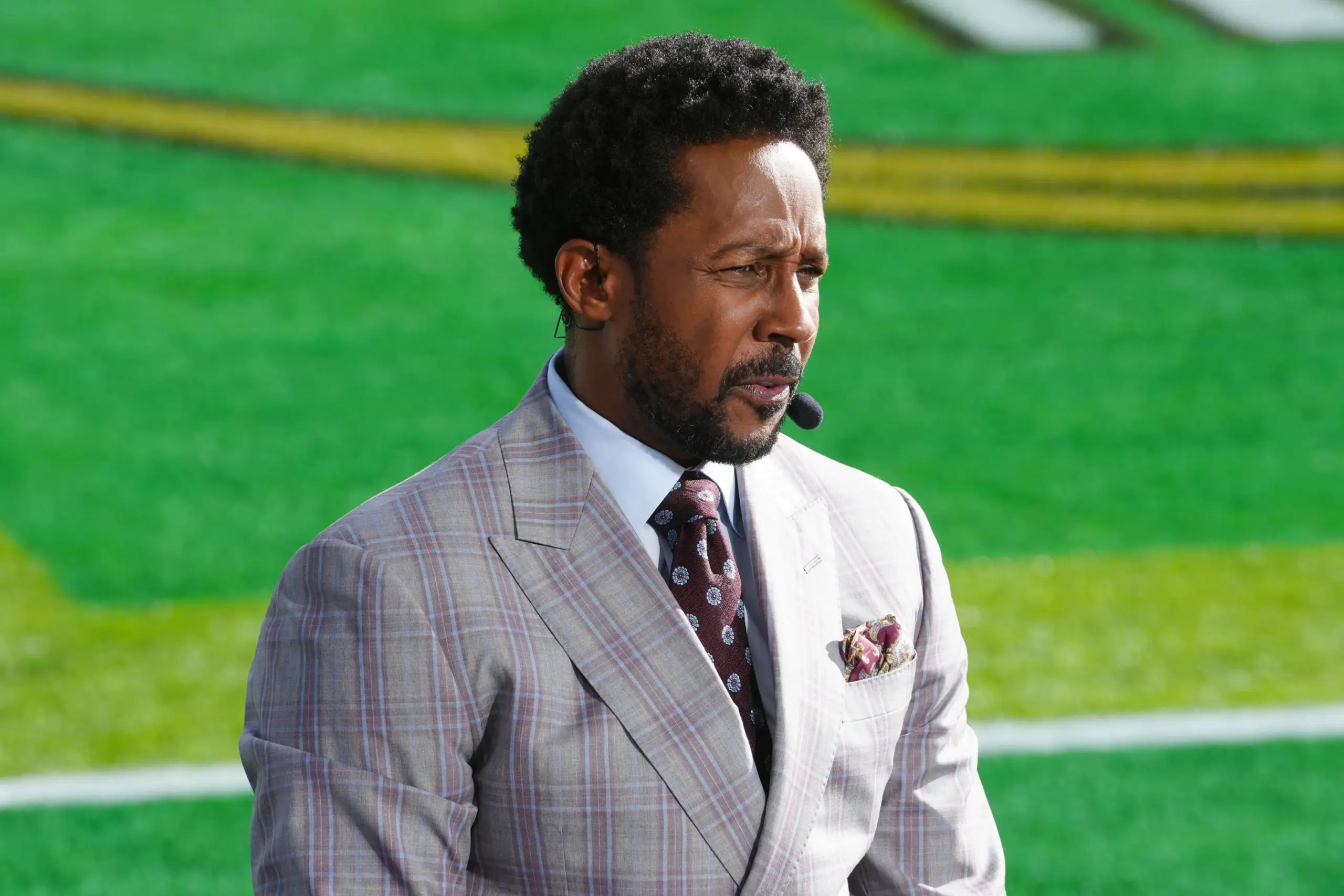
After retiring from professional football in 2002, Desmond Howard transitioned into broadcasting, where he has successfully made a name for himself as a football analyst. His insightful commentary on ESPN’s College GameDay has made him a familiar figure to millions of viewers. Howard’s ability to break down plays and provide predictions showcases his deep understanding of the game and its nuances.
Recent Events and Significance
In the current landscape of college football, Desmond Howard remains a pivotal voice. Recently, he has contributed to discussions surrounding significant changes in college athletics, such as the impact of Name, Image, and Likeness (NIL) on player recruitment and college programs. His perspective as a former player adds credibility to these conversations and engages both fans and young athletes.
Conclusion
Desmond Howard’s journey through football—from his days as a collegiate star to his role as a media analyst—represents a holistic approach to the sport. His insights into current events in college football and the NFL not only educate fans but also shape perceptions about the sport’s future. As football continues to evolve, figures like Howard will remain essential in bridging the gap between past traditions and future innovations, ensuring that the love for the game persists for years to come.