Introduction
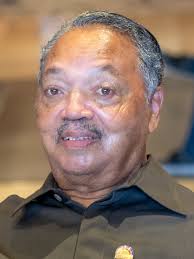
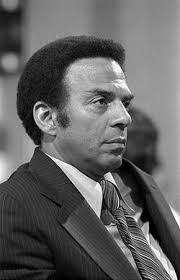
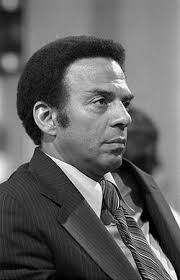
Andrew Young, a prominent figure in the American civil rights movement, has made significant contributions to the fabric of American society through his unwavering dedication to social justice, equality, and diplomacy. As an important leader alongside Martin Luther King Jr., Young’s work continues to resonate, underscoring the importance of social activism in today’s world.
Early Life and Education
Born on March 12, 1932, in New Orleans, Louisiana, Young was raised in a supportive environment that emphasized education and responsibility. He graduated from Dillard University before moving to Hartford, Connecticut, to pursue a divinity degree at the Hartford Seminary. It was during this period that he began to engage in community work and activism, connecting with the burgeoning civil rights movement.
Civil Rights Activism
Young’s activism gained momentum in the 1960s when he joined the Southern Christian Leadership Conference (SCLC) as director of its national voter registration campaign. He played a critical role in organizing significant protests and marches, including the famous Selma to Montgomery marches in 1965. His alliance with Martin Luther King Jr. helped to amplify the movement’s message, emphasizing nonviolent resistance.
Political Career
In addition to his activism, Andrew Young’s political career is noteworthy. He served as a U.S. Representative from Georgia from 1973 to 1977 and later became the first African American mayor of Atlanta from 1982 to 1990. His leadership in Atlanta was marked by economic growth and the promotion of a new regional identity in the post-civil rights era, making it a beacon of opportunity for many.
Legacy and Impact
Andrew Young’s influence extends beyond politics and civil rights. He has worked with various international organizations, including the United Nations, where he served as the U.S. Ambassador. His global perspective on human rights has led him to address issues such as poverty and inequality worldwide.
Conclusion
Andrew Young remains a towering figure in American history, embodying the spirit of resilience, dedication, and unwavering commitment to justice. His contributions are crucial in understanding the ongoing struggles for equality in America and around the globe. As we reflect on his legacy, it is imperative to recognize that Young’s work is far from complete; ongoing social justice activism serves as a reminder of the need for continued solidarity, engagement, and advocacy in the fight for civil rights.