Introduction
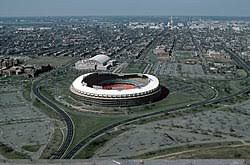
RFK Stadium, an iconic venue located in Washington, D.C., has long been a cornerstone of American sports and entertainment. Opened in 1961, it served as the home for several teams, including the Washington NFL franchise and D.C. United of Major League Soccer. However, as discussions intensify regarding urban redevelopment, the future of RFK Stadium hangs in the balance. Understanding its significance and potential fate is crucial for sports fans and the local community.
The Historical Significance of RFK Stadium
Named after the late Senator Robert F. Kennedy, RFK Stadium has hosted a plethora of memorable events, including the 1994 FIFA World Cup, the Democratic National Convention in 1964, and numerous concerts by world-renowned artists. The stadium was known for its unique circular design and passionate fan experiences, often filled with the roar of cheering crowds. Such significance not only marks the stadium as a sports venue but as a symbol of cultural history in the D.C. area.
Current Events Surrounding RFK Stadium
In recent months, interest in redeveloping the RFK Stadium site has surged. Local officials and stakeholders are contemplating plans that could involve transforming the area into a mixed-use space that includes housing, retail, and recreational areas. In a public statement, D.C. Mayor Muriel Bowser emphasized the need for community input in this redevelopment process, signaling that the future of this historic site should resonate with the residents of the district. The debate has drawn significant media attention and public discussion, as many remember and cherish the memories made within the stadium walls.
Reasons Behind the Redevelopment Discussions
RFK Stadium has faced operational challenges over the years, with its outdated infrastructure leading to declining usage. The stadium has not hosted any sports events since 2017, and maintenance costs continue to rise. This situation has prompted a re-evaluation of its viability as a sports venue. Local community organizations and certain sports advocates argue for preservation, while others push for modern solutions that serve the evolving needs of residents.
Conclusion and Future Prospects
The fate of RFK Stadium remains uncertain as the city grapples with the balance of preserving a treasured landmark while addressing practical urban solutions. As community discussions unfold, it is crucial for stakeholders to weigh the historical significance against the demands of modern development. By engaging local voices and considering diverse opinions, lawmakers have the opportunity to honor the legacy of RFK Stadium while paving the way for a revitalized, adaptable space for future generations. Whatever the outcome, the conversations surrounding RFK Stadium underscore the importance of historical preservation in the ever-evolving urban landscape.