Introduction
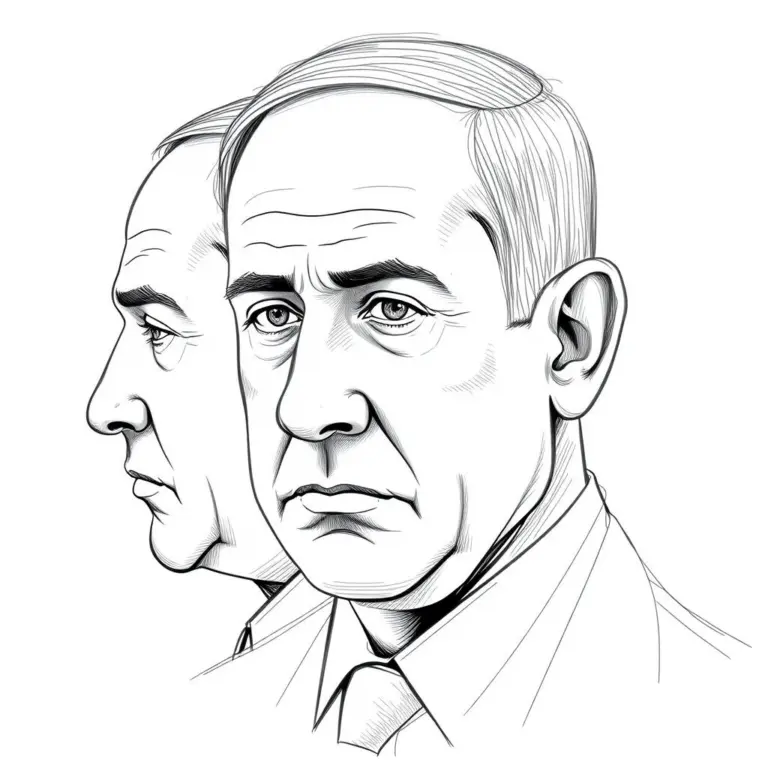
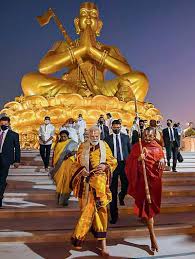
The leadership of Narendra Modi, Prime Minister of India since 2014, has been a focal point of both national and international discourse. Modi’s governance, policies, and ability to influence the global narrative regarding India have made him one of the most significant political figures of this century. His tenure has been marked by a series of reforms aimed at revitalizing the Indian economy, addressing social issues, and enhancing India’s standing on the world stage.
Major Policies and Initiatives
Since taking office, Modi has initiated a range of policies aimed at transforming various sectors of the Indian economy. The ‘Make in India’ initiative, launched in 2014, seeks to encourage domestic and foreign companies to manufacture products in India, thus boosting employment and industrial growth. With the introduction of the Goods and Services Tax (GST) in 2017, Modi aimed to streamline India’s taxation structure, fostering a more conducive environment for business.
Moreover, Modi’s government has emphasized technology and digital innovation. The ‘Digital India’ campaign aims to transform India into a digitally empowered society, presenting a significant leap forward in efficiency and access to services. Under this initiative, projects such as the Digital Locker system and the Common Service Centers have made bureaucratic processes more transparent and accessible to citizens.
Challenges and Criticism
Modi’s administration has also faced substantial criticism. Detractors argue that the government has been slow to address issues such as rising unemployment and agricultural distress. The controversial Citizenship Amendment Act (CAA) introduced in 2019 sparked significant protests, with critics claiming it undermines India’s secular constitution. The COVID-19 pandemic further tested Modi’s leadership, revealing gaps in public health infrastructure and the initial response to the crisis. However, the national vaccination drive has been a point of pride, with India scaling up to become one of the largest vaccine producers globally.
Conclusion
Looking ahead, Modi’s leadership will continue to impact India significantly. As the nation gears up for the next general elections in 2024, his administration’s ability to address ongoing social issues, economic recovery post-pandemic, and manage international relations will be crucial. With a mixed record of achievements and challenges, Modi’s legacy will likely shape the discourse on Indian governance for years to come. For citizens and observers alike, understanding the implications of Modi’s policies is essential for navigating India’s future landscape.