Introduction
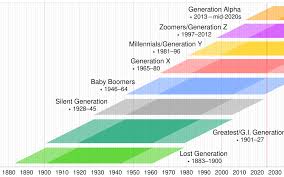
Generation X, often referred to as Gen X, includes individuals born between the mid-1960s and early 1980s. This demographic cohort has played a critical role in reshaping the cultural and economic landscapes of the United States and beyond. As the first generation to grow up with personal computers, Gen Xers are also known as the ‘latchkey generation’ due to their experiences of increased parental absence. Understanding Gen X is essential, especially as they are now entering their peak earning years and influencing both consumer behavior and work environments.
Characteristics of Generation X
Members of Generation X are often characterized by their independence, resourcefulness, and adaptability. Having witnessed significant societal changes, including the rise of technology and shifts in workplace dynamics, Gen Xers are known for their ability to navigate challenges and embrace new innovations. They value work-life balance, which has led to a shift in corporate policies to accommodate flexible working conditions. Additionally, Gen X is often noted for their skepticism of institutions, shaped by events such as the Watergate scandal and economic recessions.
Generation X in the Workforce
Today, Gen X occupies key positions in the workforce, serving as managers, executives, and entrepreneurs. Their unique blend of experience and innovation positions them as vital mentors to younger generations, particularly Millennials and Gen Z. As companies strive for more diversity and inclusion, the leadership style of Gen X—often collaborative yet results-oriented—has become increasingly sought after. Furthermore, with the rise of remote work, Gen X employees are leveraging their tech-savvy nature to adapt to new methodologies and tools.
Cultural Impact and Legacy
Culturally, Generation X has significantly influenced music, film, and art. They were instrumental in the evolution of grunge, hip hop, and alternative rock, leaving an indelible mark on the entertainment industry. Gen X also ushered in new forms of media, including the rise of the internet, which has changed how people consume information and engage socially. As consumers, Gen X is shifting market trends towards sustainability and ethical practices, advocating for products that align with their values.
Conclusion
As we move further into the 21st century, the significance of Generation X will continue to grow. Their unique experiences and perspectives will influence consumer patterns, workplace dynamics, and cultural trends. Understanding Gen X is not merely an academic exercise; it’s crucial for businesses, policymakers, and educators who are seeking to engage effectively with a generation that serves as a bridge between the analog and digital worlds. As they continue to mature, understanding their values and preferences will be key to fostering progress across various sectors.