Introduction
As winter approaches, the United States braces for the potential impacts of severe winter weather. Winter weather warnings are critical tools used by meteorological authorities to alert the public about impending conditions that can affect safety and daily life. These warnings are vital, as they provide information that helps individuals and communities prepare for snowstorms, ice events, and frigid temperatures, which are common during this season.
Current Events
This winter season, the National Weather Service (NWS) has issued winter weather warnings across several regions, particularly in the Northeast and Midwest. Forecasts indicate a significant winter storm is expected to hit areas from Minnesota to New England, bringing heavy snowfall, icy conditions, and dangerously low temperatures. As of mid-November 2023, parts of Wisconsin experienced already over 10 inches of snow, leading to hazardous driving conditions and school closures.
In addition to snowfall, ice accumulation is a key concern. States like Michigan and New York are bracing for freezing rain, which can cause power outages and hazardous road conditions. Authorities recommend that residents stay indoors during storms, prepare emergency kits, and keep abreast of updates from local weather channels.
Impact and Safety Measures
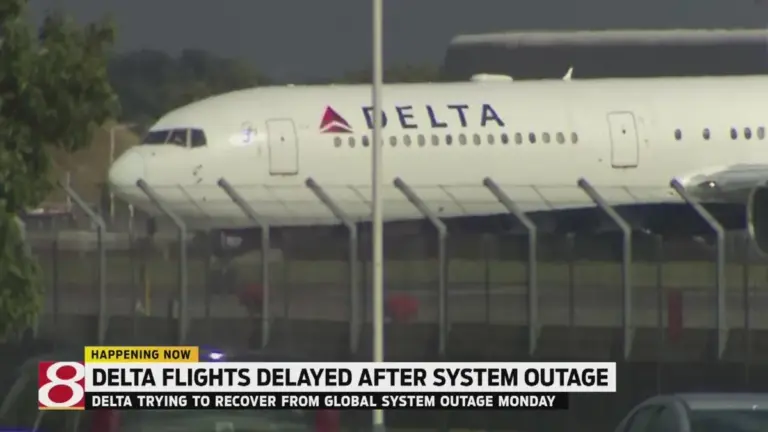
The impact of winter weather warnings can be profound, affecting transportation, infrastructure, and daily life. Airlines have already canceled numerous flights ahead of the storm, and local airlines are advising passengers to check the status of their flights before heading to the airport. State departments of transportation are mobilizing snowplows and salt trucks to clear roads quickly, but individuals are being urged to travel only if absolutely necessary until conditions improve.
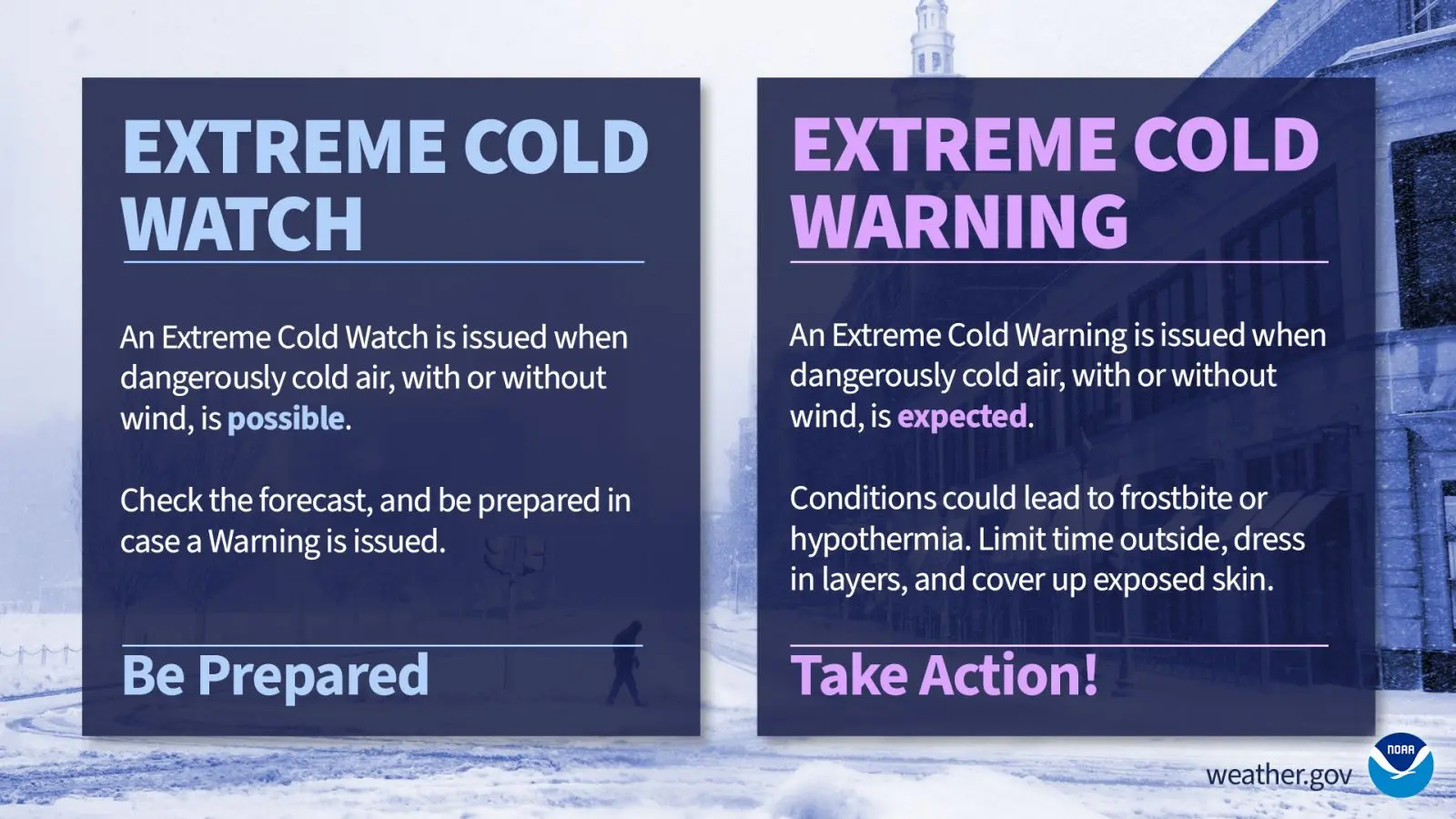
Moreover, the NWS emphasizes the necessity of following these warnings closely. For instance, understanding the differences between winter storm warnings, watches, and advisories can make a significant difference in preparation and response. A warning indicates that severe winter weather is imminent, whereas a watch signals that conditions are favorable for such weather.
Conclusion
As winter weather warnings become frequent, staying informed and prepared is paramount. Ensure that you monitor reliable weather updates and heed the advice of local authorities. Communities that prepare ahead are better equipped to manage the challenges that winter weather presents. With climate change potentially affecting weather patterns, it is likely that severe winter weather events will continue to intensify, making awareness and preparation strategies even more crucial for safety and wellbeing.