Introduction
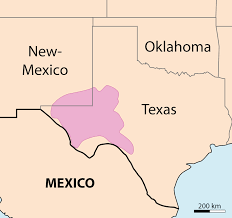
The Permian Basin, located in West Texas and southeastern New Mexico, is one of the most prolific oil and gas producing regions in the world. Its significance is underlined by its capacity to contribute substantially to the U.S. energy supply, driving both local and national economies. As demand for oil continues to grow globally, the Permian Basin remains pivotal in meeting energy needs while also addressing sustainability and technological advancements in energy production.
Current Developments in the Permian Basin
Recently, the Permian Basin has seen a surge in investment and technological innovations. According to the U.S. Energy Information Administration (EIA), production from the Permian Basin reached a record high of 5.6 million barrels per day in October 2023. This growth is attributed to advancements in hydraulic fracturing and horizontal drilling techniques that enable producers to extract oil and gas from previously inaccessible reserves.
Major oil companies and independent producers alike are ramping up their operations in response to surging oil prices and recovering global demand post-pandemic. Companies such as ExxonMobil and Chevron are investing billions in expanding their drilling capabilities and enhancing their operations in the region. The focus is not only on maximizing output but also on improving environmental practices and reducing the carbon footprint associated with oil extraction.
The Economic Impact of the Permian Basin
The economic ramifications of the Permian Basin’s growth extend beyond oil and gas production. Local economies are experiencing revitalization through job creation, with an estimated 250,000 jobs supported within the region, according to Texas Oil and Gas Association. Additionally, towns surrounding the basin are witnessing increased investment in infrastructure, housing, and services that cater to a growing workforce.
Challenges and Future Outlook
Despite its robust growth, the Permian Basin faces challenges, including regulatory pressures, environmental concerns, and market volatility. The Biden administration’s climate policies and focus on renewable energy sources could pose risks to the fossil fuel industry. However, experts project that the Permian Basin will continue to play a crucial role in U.S. energy production in the coming decades, particularly as the country navigates its energy transition. Investment in carbon capture and storage technologies is expected to be critical in mitigating environmental impacts.
Conclusion
The Permian Basin remains a cornerstone of the U.S. energy landscape, providing significant contributions to national energy supplies and local economies. As the energy sector evolves, the region will need to balance production with sustainability efforts to ensure long-term viability. For residents, businesses, and policymakers, staying informed about developments in the Permian Basin is essential for adapting to the dynamic energy landscape.