Understanding Incident Response Plans
In an increasingly digital world, the risk of cyber incidents has risen dramatically. Businesses of all sizes face threats from hacking, data breaches, and other security incidents. This makes having a robust incident response plan (IRP) crucial for maintaining operational integrity and protecting sensitive data.
What is an Incident Response Plan?
An incident response plan is a structured approach outlining how an organization prepares for, detects, responds to, and recovers from cybersecurity incidents. It is designed to minimize damage, reduce recovery time and costs, and mitigate the impact of security breaches. According to a report from IBM, the average cost of a data breach in 2023 is around $4.45 million, underscoring the financial importance of effective incident management.
Recent Trends and Events
In 2023, there has been a notable increase in ransomware attacks targeting businesses across various sectors. A recent study by CyberEdge Group revealed that 66% of organizations experienced a ransomware attack in the past year, demonstrating the need for well-defined incident response strategies. In response to these threats, many companies are investing in sophisticated IRPs that integrate advanced technologies, such as AI-driven threat detection and response tools, to enhance their readiness against potential incidents.
Key Components of an Effective Incident Response Plan
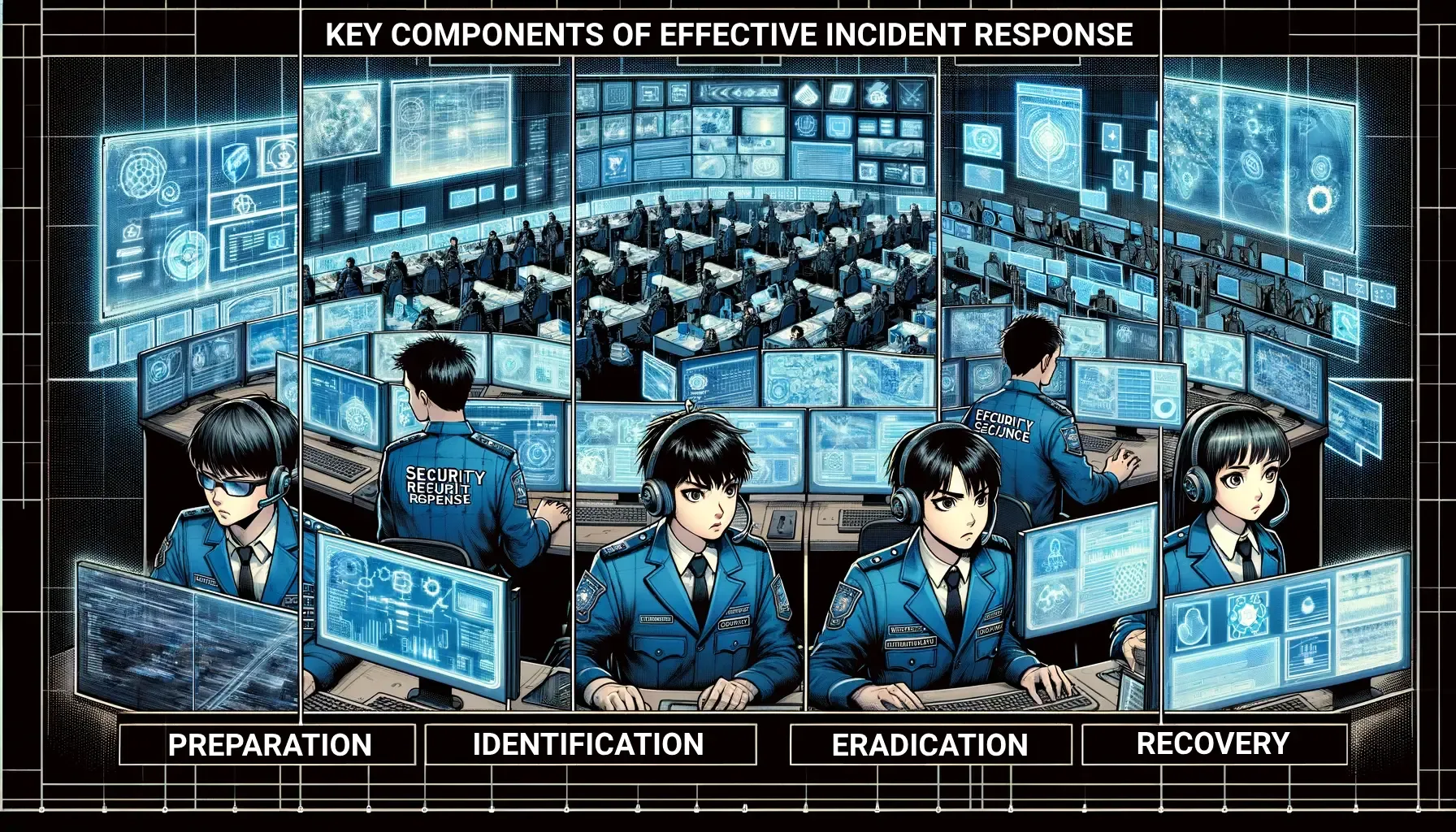
An effective IRP includes the following essential components:
- Preparation: Training staff, setting up communication channels, and establishing roles and responsibilities in the event of an incident.
- Detection: Continuous monitoring systems that can quickly identify anomalies or security breaches.
- Containment: Immediate steps to limit the damage of the incident and prevent further unauthorized access.
- Eradication: Identifying and removing the cause of the incident from the environment to prevent recurrence.
- Recovery: Steps to restore systems and processes to normal operations while ensuring that the threat is completely neutralized.
- Post-Incident Review: Analyzing the incident and response to improve future preparedness and planning.
Conclusion: The Future of Incident Response Planning
The significance of incident response plans cannot be overstressed in today’s increasingly complex cyber threat landscape. With cyber threats evolving rapidly, organizations must not only prepare and implement effective plans but also regularly update them based on new challenges and lessons learned from past incidents. Future forecasts indicate that as cyber threats become more sophisticated, investment in incident response capabilities will likely increase, making it essential for businesses to prioritize their cybersecurity strategies. Proactively managing risks through comprehensive incident response plans can not only safeguard sensitive data but can also fortify an organization’s reputation and customer trust.