Introduction
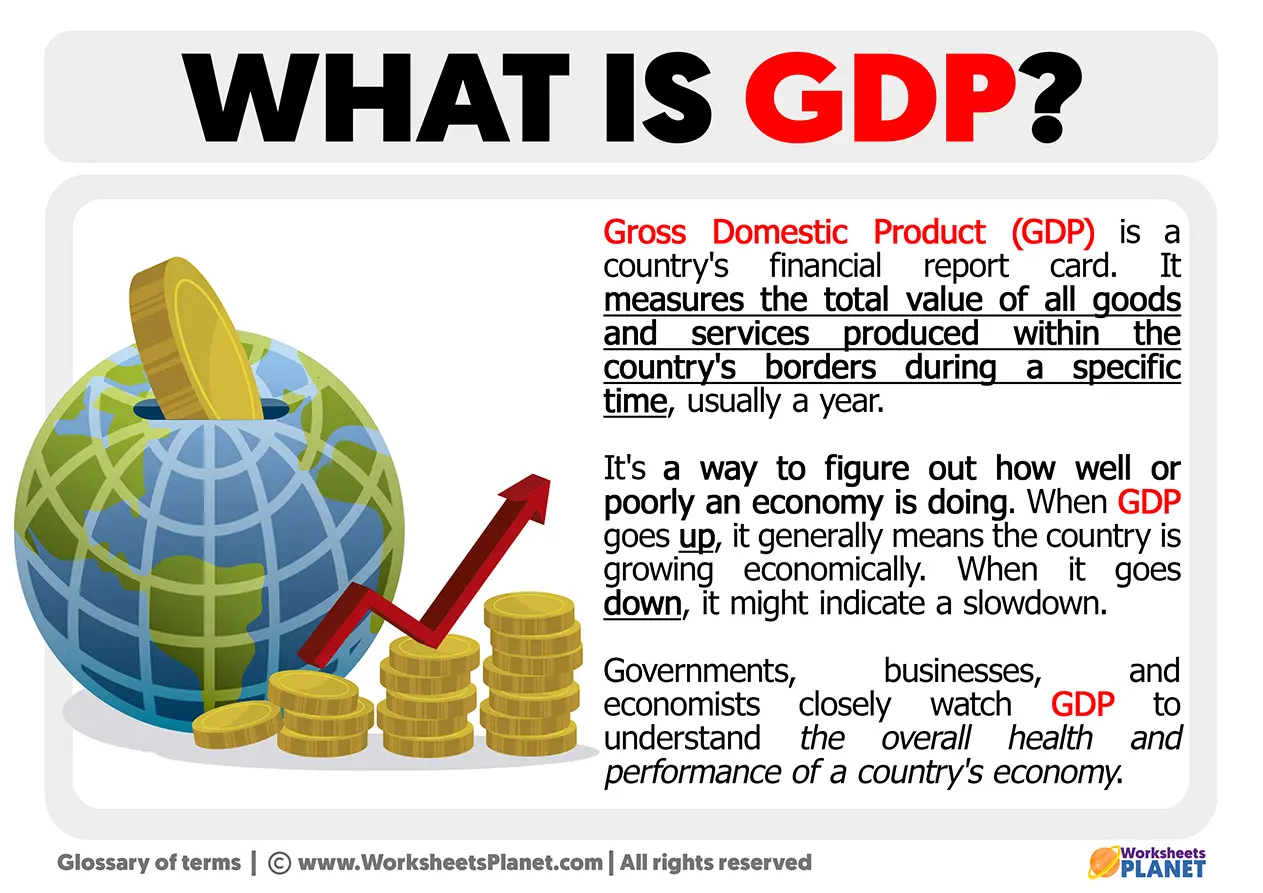
The Gross Domestic Product (GDP) is a critical indicator of a country’s economic performance. It measures the total value of goods and services produced over a specific time period within a nation, highlighting the health of the economy. As businesses and policymakers closely monitor GDP figures, understanding its fluctuations is essential for making informed economic decisions.
Current Trends in GDP
As of October 2023, recent reports indicate that the United States’ GDP grew at an annualized rate of 3.9% in the third quarter, showcasing resilience amid various global challenges. Factors contributing to this growth include increased consumer spending, resurgence in the technology sector, and robust exports. In contrast, inflation concerns and interest rate hikes by the Federal Reserve remain pressing issues that could impact future growth.
Global Context
While the U.S. economy displays signs of growth, many other nations are facing different scenarios. The GDP of the European Union has shown a mixed performance, with certain member states, like Germany, experiencing stagnation, while others, such as Spain and Italy, report higher growth rates. Overall, global GDP is projected to increase by 2.7% in 2024 according to the International Monetary Fund (IMF), but economic uncertainties persist due to potential geopolitical tensions and trade disruptions.
Conclusion
In conclusion, GDP remains a pivotal measure for evaluating economic health on both national and global stages. For individuals and businesses, understanding GDP trends is crucial for making strategic decisions and forecasting future conditions. As we move into 2024, the focus on GDP will likely continue, especially as economic policies and global markets adapt to ongoing challenges. Staying informed about changes in GDP can help citizens and investors alike navigate the complex landscape of the economy.