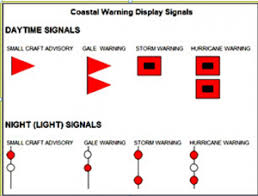
Introduction to Gale Warnings
Gale warnings are critical alerts issued by meteorological agencies, notifying residents and mariners of potentially hazardous wind conditions. With winds ranging from 34 to 40 knots (39 to 46 mph), these warnings aim to enhance safety at sea, particularly for fishing, boating, and other maritime activities. During storm seasons, understanding and responding to gale warnings becomes not just essential but a matter of life and death for those venturing out into open waters.
Recent Gale Warnings in the United States
In recent weeks, several regions along the U.S. East Coast experienced significant gale warnings due to incoming winter storms. The National Weather Service (NWS) issued these warnings to alert mariners of dangerous conditions when a series of winter weather systems crossed over the Atlantic, creating turbulent seas expected to last through the weekend. Coastal states, including Florida, North Carolina, and Maine, were among those most affected, with forecasters advising individuals to avoid maritime activities during these periods.
Impacts on Maritime Activities
The issuance of a gale warning has profound implications for local fishermen, recreational boaters, and shipping industries. With dangerous wind speeds, fishermen are often urged to remain docked, altering their operations to ensure safety. The shipping industry also feels the impact, as vessels must navigate cautiously, potentially deviating from their routes to avoid swells and gusts that could lead to accidents. Moreover, harbors remain busy as boaters make critical decisions regarding their travel plans.
Preparedness and Response
Mariners and coastal residents are encouraged to stay informed about weather conditions through forecast updates. Utilizing tools such as NOAA Weather Radio, smartphone apps, and social media channels can ensure timely access to gale warnings and other critical information. Local Coast Guard units often enhance their watch to prepare resources for search and rescue in areas at risk, ensuring rapid response capabilities in case of capsizing or other emergencies.
Conclusion: The Significance of Gale Warnings
Understanding and respecting gale warnings is paramount for anyone involved in maritime activities. As climate change leads to increasingly unpredictable weather patterns, gale warnings may become more frequent, underscoring the need for awareness and preparedness. Continuous education on warning systems contributes to maritime safety and minimizes risks associated with adverse weather conditions. Ultimately, embracing information and proactive measures leads to safer experiences on the water.