Introduction to Coastal Flood Warnings
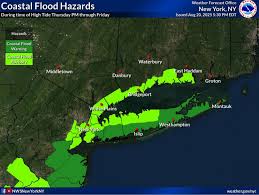
Coastal flood warnings are critical alerts issued by meteorological agencies to inform residents and authorities about impending flooding risks along coastal areas. Given the increasing frequency and intensity of severe weather events, understanding these warnings has become essential for public safety and disaster preparedness. With many coastal communities vulnerable to rising sea levels and extreme weather conditions, these warnings serve as a vital tool for safeguarding lives and property.
What Triggers a Coastal Flood Warning?
Coastal flood warnings are typically issued in anticipation of various natural phenomena, including hurricanes, tropical storms, heavy rainfall, and high tides that threaten to inundate coastal areas. For instance, recent forecasts have indicated unusually high tides and storm surges due to the effects of Hurricane Ian impacting the southeastern United States. During such storms, the National Oceanic and Atmospheric Administration (NOAA) closely monitors data to assess potential flooding risks, providing timely alerts to affected regions.
Recent Events Highlighting the Need for Warnings
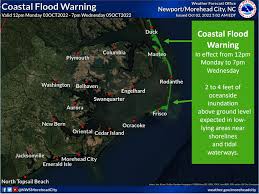
In the past month, several coastal regions along the Atlantic and Gulf Coasts experienced severe weather, resulting in widespread flooding. Areas like Florida and North Carolina faced heavy rainfall, prompting authorities to issue coastal flood warnings. These alerts enabled local governments to implement evacuation plans, distribute sandbags, and deploy emergency response teams effectively, protecting residents and minimizing property damage.
Importance of Preparedness and Response
The significance of coastal flood warnings extends beyond immediate response measures; they also serve to educate communities about the importance of disaster preparedness. Residents in coastal areas are encouraged to have emergency kits ready, stay informed about weather updates, and have clear evacuation routes planned. Educational campaigns and community drills facilitated by emergency services are essential for ensuring that community members know how to react promptly when a warning is issued.
Conclusion and Future Directions
In conclusion, coastal flood warnings play an indispensable role in public safety and emergency management, especially in light of the growing threats posed by climate change and extreme weather patterns. As technology advances, forecasting models will improve, allowing for more accurate and timely warnings. Communities must prioritize preparedness and actively participate in educational initiatives to mitigate risks effectively. As residents continue to face the impacts of severe weather, staying informed and prepared is more critical than ever.