Introduction
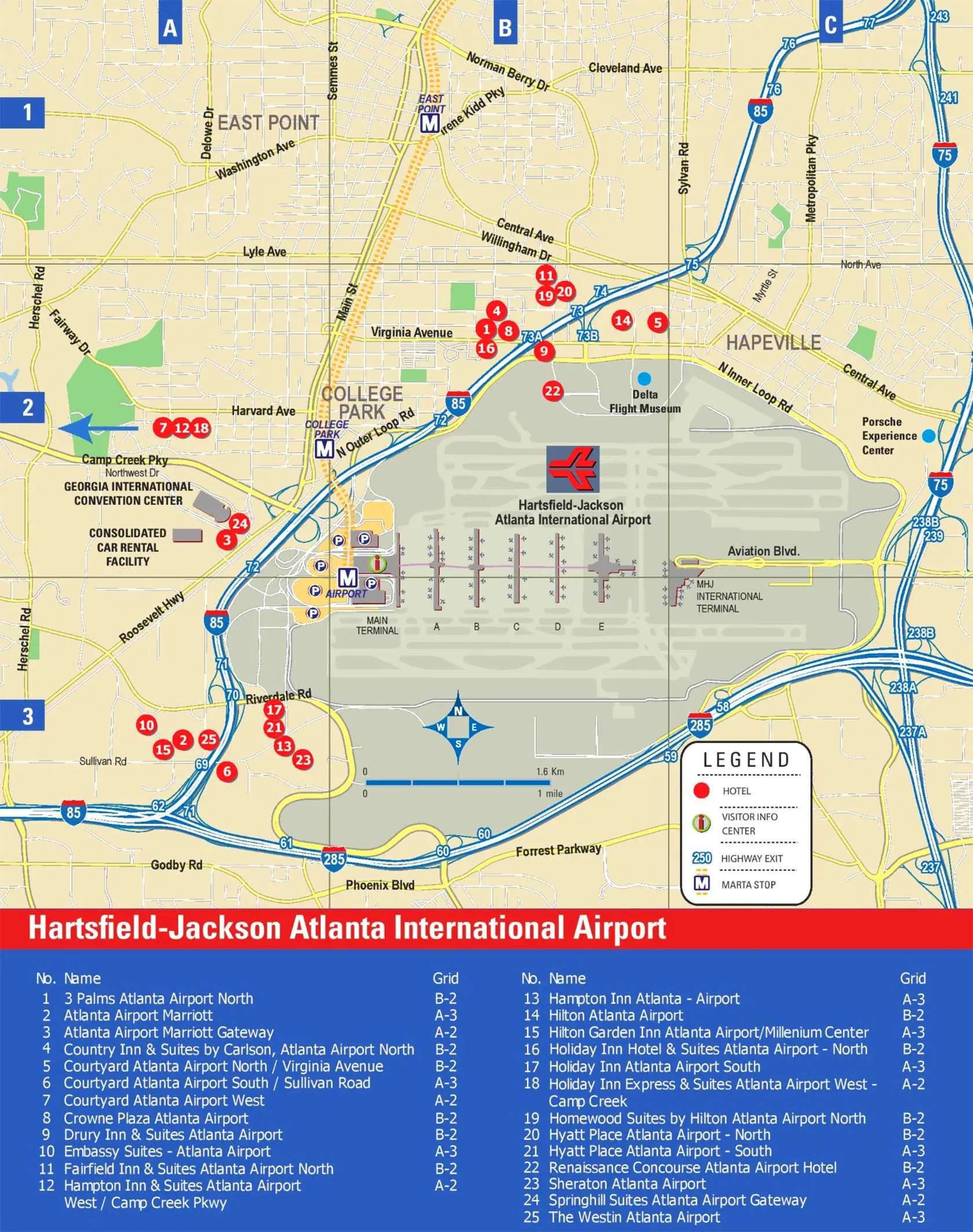
Hartsfield-Jackson Atlanta International Airport (ATL) is not just a common transit point; it is an essential hub connecting millions of travelers worldwide. As the busiest airport in the United States, and consistently ranked among the busiest in the world, ATL plays a significant role in the aviation industry. Its importance extends beyond mere passenger traffic; it influences regional economies, air travel trends, and logistical operations globally.
Current Developments and Statistics
In 2023, Atlanta Airport managed over 107 million passengers, outpacing many other airports, significantly contributing to the local economy. A recent expansion project aims to enhance capacity and improve passenger experience, featuring new amenities and updated security processes.
Amid the post-pandemic recovery, ATL has adapted to the increasing demand for air travel with the introduction of more international routes and airlines. For instance, Delta Air Lines has expanded its flight offerings through ATL, which has been essential in keeping the airport competitive in a rapidly shifting travel landscape.
Impact on Local Economy
The airport serves as a major economic driver in Georgia, generating over $60 billion annually in economic impact and supporting approximately 450,000 jobs. The presence of ATL attracts businesses and tourists alike, enhancing the vibrancy of Atlanta’s economy. Local officials continue to emphasize the role of the airport in fostering growth and improving infrastructure to support future expansion.
Conclusion
As the landscape of air travel evolves, the Atlanta Airport remains at the forefront of innovations in the airline industry. With its ongoing expansion projects and strategic economic importance, ATL will continue to shape the future of travel for many years to come. For travelers, business professionals, and local residents, the significance of Atlanta Airport is undeniable, marking it as a pivotal aspect of connectivity and economic prosperity in the United States.