Introduction
The 4th Amendment to the United States Constitution is a pivotal element in the Bill of Rights that safeguards citizens from unreasonable searches and seizures. As contemporary issues regarding privacy and law enforcement practices continue to evolve, understanding this amendment’s scope and relevance is crucial for protecting individual liberties in an increasingly monitored society.
Overview of the 4th Amendment
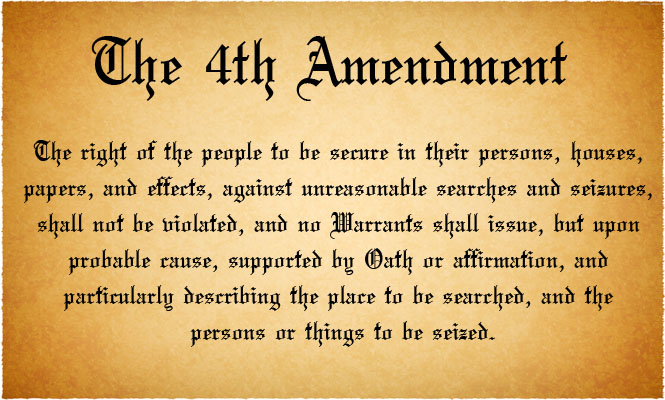
Ratified in 1791, the 4th Amendment states: “The right of the people to be secure in their persons, houses, papers, and effects, against unreasonable searches and seizures, shall not be violated, and no Warrants shall issue, but upon probable cause, supported by Oath or affirmation, and particularly describing the place to be searched, and the persons or things to be seized.” This language establishes the foundation for privacy rights in the U.S. legal framework.
Recent Developments and Cases
In recent years, many court cases have centered around the interpretation of the 4th Amendment, especially concerning the advent of digital technology. For instance, the U.S. Supreme Court’s 2018 ruling in Carpenter v. United States recognized that accessing cell phone location data constitutes a search under the 4th Amendment. This landmark decision highlighted the necessity of obtaining warrants to access personal data stored by third-party service providers, setting a precedent for how technological advancements interact with constitutional rights.
Challenges in the Modern Era
As technology continues to evolve, so do the challenges surrounding the enforcement and interpretation of the 4th Amendment. The rise of surveillance technology, including facial recognition and data mining by both law enforcement and private entities, raises significant questions about what constitutes reasonable searches. Moreover, the COVID-19 pandemic prompted rapid changes in law enforcement practices, such as remote surveillance and contact tracing, which put additional pressure on the 4th Amendment protections.
Conclusion
Understanding and advocating for the 4th Amendment is vital as citizens navigate an age of rapid technological change and intensified surveillance. The amendment is not only a historic guarantee for individual rights but also a framework that must adapt to ensure civil liberties remain protected. As future legal interpretations arise, the impact of these discussions on personal privacy and law enforcement practices will continue to be paramount for society.