Introduction: What are Tariff Refunds?
Tariff refunds represent a critical aspect of international trade, allowing businesses to reclaim duties paid on imported goods under certain conditions. As globalization continues to shape economies, the process of tariff refunds has garnered attention, especially in light of changing trade policies and tariffs imposed by governments worldwide. Understanding how to navigate the tariff refund process can significantly affect a company’s bottom line, making it a relevant topic for importers and exporters alike.
Understanding Tariff Refunds
Tariff refunds occur when businesses request a reimbursement for excess duties paid on goods imported into a country. This refund can arise from various situations, such as classification disputes, overpayment due to incorrect tariff schedules, or when imported goods are returned. The complexity of tariff classifications and constantly evolving trade agreements may lead to discrepancies, prompting companies to seek refunds.
Recent Developments in Tariff Refunds
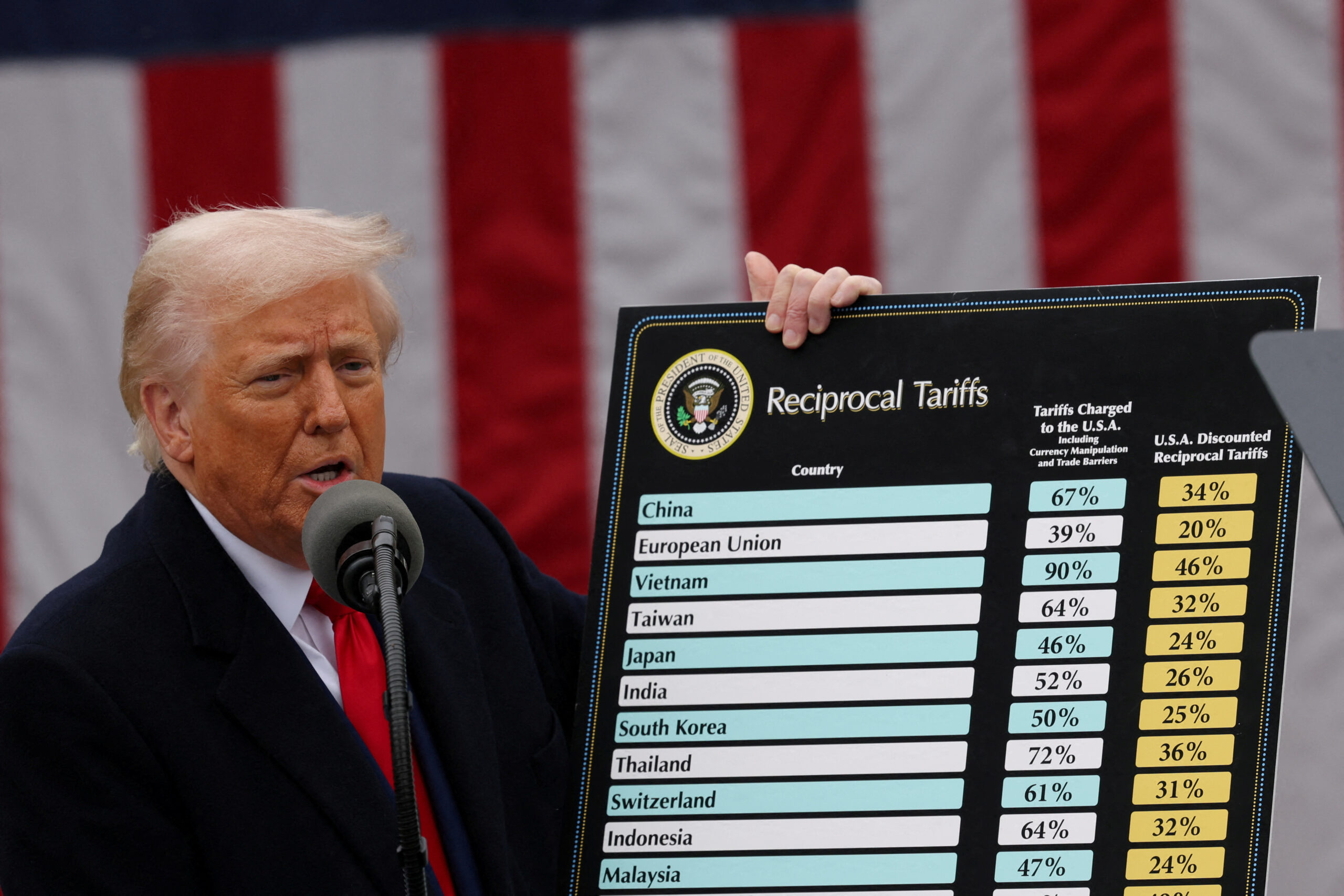
In recent years, the focus on tariff refunds has intensified, particularly following changes in U.S. trade policies. In 2018, for example, the United States imposed several tariffs on goods from various countries—initiatives primarily aimed at protecting domestic industries. In some instances, businesses have found themselves overpaying tariffs due to these adjustments and are now eligible to file for refunds. According to the U.S. Customs and Border Protection (CBP), companies requesting refunds must adhere to strict timelines and procedures to ensure that their claims are processed efficiently.
Moreover, international dynamics such as trade agreements, disputes, and the ongoing impact of the COVID-19 pandemic have influenced import and export practices significantly. As companies adapt to these changes, many are actively exploring tariff recovery options, emphasizing the importance of having a meticulous filing system and understanding the current trade regulations.
Conclusion: The Significance of Tariff Refunds
For businesses engaged in international trade, understanding the tariff refund process is more essential than ever. By ensuring compliance with regulations and being aware of recent changes, companies can navigate potential challenges more effectively. The ability to obtain a tariff refund not only improves cash flow but also allows for reinvestment and growth in an increasingly competitive global marketplace. Looking forward, as international trade continues to evolve, staying informed about tariff refund policies will be vital for businesses aiming to optimize their operational costs.