Introduction
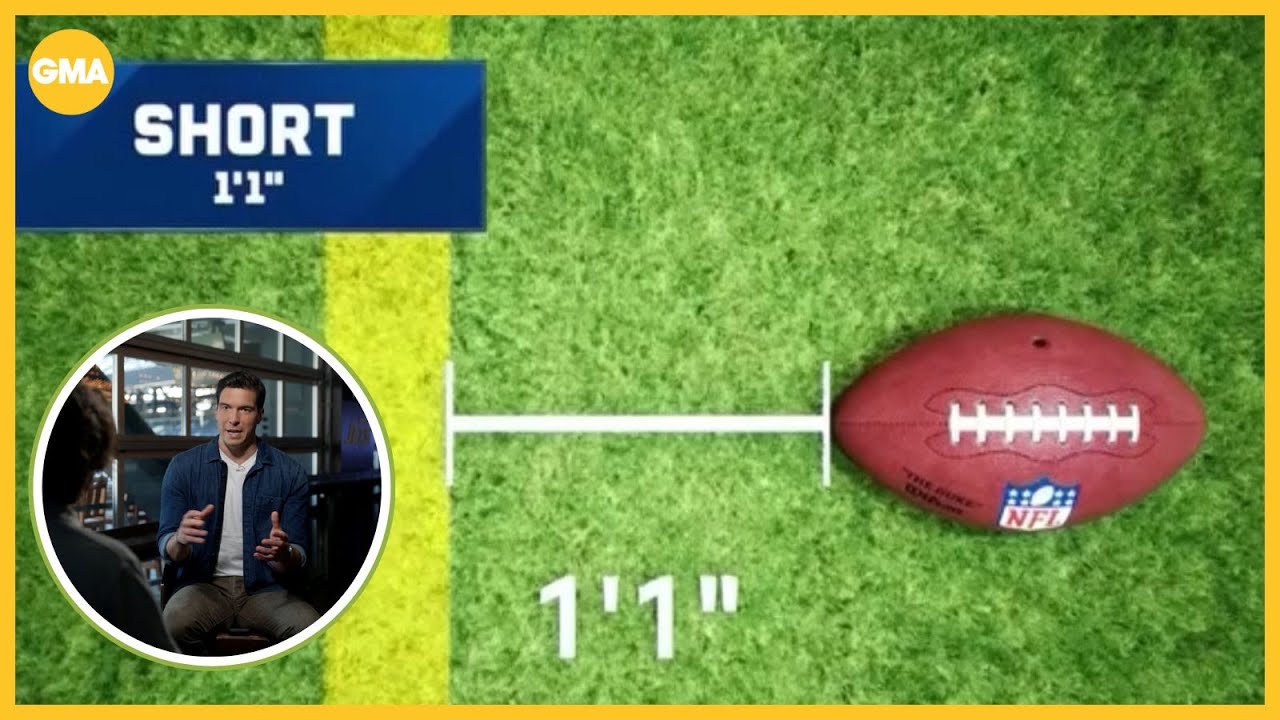
The integration of technology into sports has evolved dramatically over the past decade, and the NFL is at the forefront of this revolution. One of the most significant advancements is the use of virtual measurement technologies, aimed at enhancing player performance, fan engagement, and strategic planning. Understanding this development is crucial for fans, coaches, and analysts alike as it transforms the landscape of professional football.
The Rise of Virtual Measurement Technologies
In recent seasons, NFL teams have begun to harness the power of virtual measurement tools ranging from advanced tracking systems to augmented reality applications. This technology allows for real-time data collection on player movements, speeds, and other performance metrics during games and practice sessions. Companies like Zebra Technologies and STATS have been instrumental in providing teams with data that can be analyzed to improve both training regimens and game day strategies.
Case Study: Player Performance Tracking
For instance, Zebra Technologies has implanted chips in players’ shoulder pads that transmit data to a system capturing their movements on the field. This data is invaluable during training sessions, allowing coaches to tailor specific workouts to address weaknesses identified through virtual measurements. Moreover, teams can analyze this data to compare players’ performances over time, enabling a more strategic approach to player development.
Fan Engagement and Experience
Virtual measurement is not only transforming team operations but also enhancing the game day experience for fans. The NFL has initiated programs that leverage augmented reality to provide viewers in stadiums and those watching from home with real-time statistics and player metrics displayed on their devices during games. This immersion allows fans to connect more deeply with the action, making the viewing experience more interactive and informative.
Challenges and Future Outlook
Despite the advancements, there are challenges associated with the widespread adoption of virtual measurement technologies. Privacy concerns regarding player data and the need for standardization across the league are pivotal issues that need addressing. Nevertheless, the NFL is expected to continue investing in these technologies, forecasted to lead to improved player safety, performance analytics, and game strategies.
Conclusion
The use of virtual measurement technologies in the NFL signifies a major shift in how the sport is analyzed and experienced. As this technology evolves, it promises to offer deeper insights into player performance and engage fans in unprecedented ways. For stakeholders within the league, adapting to these changes will be essential to maintain a competitive edge while delivering a captivating experience for fans.