Introduction
The twice-annual shift in clocks, known as the time change, affects millions of people across the globe. This adjustment, primarily associated with Daylight Saving Time (DST), prompts both support and criticism regarding its relevance in modern society. With the ongoing debate about its benefits and drawbacks, understanding time change is crucial in shaping how we adapt our daily routines and productivity.
The Mechanism of Time Change
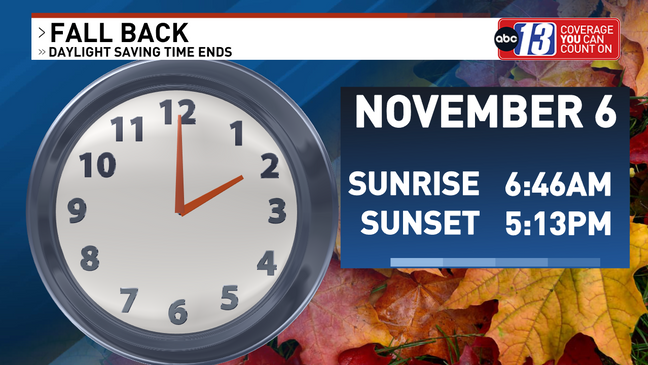
Time change occurs primarily in spring and fall, where clocks are set forward by one hour in March and back by one hour in November in many regions. The idea behind DST is to make better use of daylight during the longer days of summer. According to the U.S. Department of Transportation, the overall goal was to reduce energy consumption by extending evening daylight, thereby reducing reliance on artificial lighting. However, studies show that the actual energy savings are minimal.
Health and Lifestyle Impacts
The shift in time can have several physiological impacts on individuals. The American Academy of Sleep Medicine has warned that the spring forward transition can disrupt sleep patterns, leading to an increase in heart attacks, workplace accidents, and overall fatigue. For many, adjusting to the new schedule can take several days or even weeks. Some experts have urged for a reevaluation of DST practice, advocating for a permanent standard time to mitigate these health issues.
Current Developments in Time Change Discussion
Legislation concerning time change is currently under review in several states. States like Florida and California have proposed measures to end the practice of changing clocks, opting instead for permanent DST. However, such changes require federal approval, and as of now, Congress has yet to take a definitive stance. In 2023, a growing number of studies and public opinion surveys indicate a shift towards favoring a permanent time system without biannual alterations.
Conclusion
The time change remains a relevant topic as we navigate the impacts of our changing schedules on our health and productivity. As discussions about eliminating daylight saving time continue, it’s essential for individuals to stay informed about the implications this could have on their daily lives. Whether you are in favor of or against the time change, being aware of its potential effects can help you prepare for the shifts ahead and adapt to your personal routine better. The ongoing legislative movements could lead to significant adjustments, making it a topic worth following closely.