Introduction
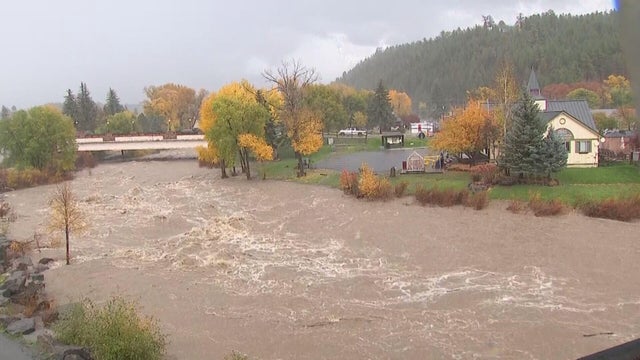
In early October 2023, residents of Pagosa Springs, Colorado, faced significant flooding due to heavy rainfall combined with rapid snowmelt in the San Juan Mountains. This event has raised concerns about climate change, infrastructure resilience, and community preparedness in the region. Flooding not only affects homes and businesses but can also have long-lasting impacts on the local economy and ecosystem.
Details of the Incident
On October 4th, torrential rains fell over the region, with some areas reporting over three inches of precipitation within just a few hours. The Pagosa Springs area, with its steep terrain and river valleys, was particularly vulnerable. Local emergency services responded swiftly, activating emergency protocols to assist affected residents. Roads were closed, evacuation orders were issued for areas near the San Juan River, and schools were temporarily closed. Fortunately, unlike previous disasters, there were no reported fatalities, although many families faced damage to their homes and property.
Community Response and Relief Efforts
In the wake of the flooding, the community demonstrated resilience and solidarity. Local organizations, including the Pagosa Springs Emergency Management, began organizing relief efforts to support those impacted by the flooding. Food banks and shelters opened to provide necessities to displaced families. Meanwhile, volunteers gathered to assist with cleanup efforts, working to mitigate the damage caused by the high water levels. The town’s leadership is also discussing long-term strategies to enhance flood resilience, including improved drainage systems and educating the public on emergency preparedness measures.
Environmental Considerations
Environmental specialists are rushing to assess the aftermath of the flooding, particularly in terms of water quality and wildlife impacts. Flood water can introduce pollutants into local water sources, complicating recovery efforts. Moreover, habitat alterations may impact local flora and fauna, with potential ripple effects through the ecosystem. Conservationists emphasize the need for ongoing monitoring and restoration projects to revive the impacted areas.
Conclusion
The recent flooding in Pagosa Springs is a stark reminder of the challenges posed by extreme weather events, which may become more frequent in the changing climate. As the community grapples with both immediate recovery and longer-term strategies, it serves as a critical case study on the importance of preparedness and infrastructure resilience in the face of natural disasters. Residents are encouraged to stay informed on local initiatives, participate in community discussions about flood management, and advocate for sustainable practices that can help mitigate such impacts in the future.