Introduction
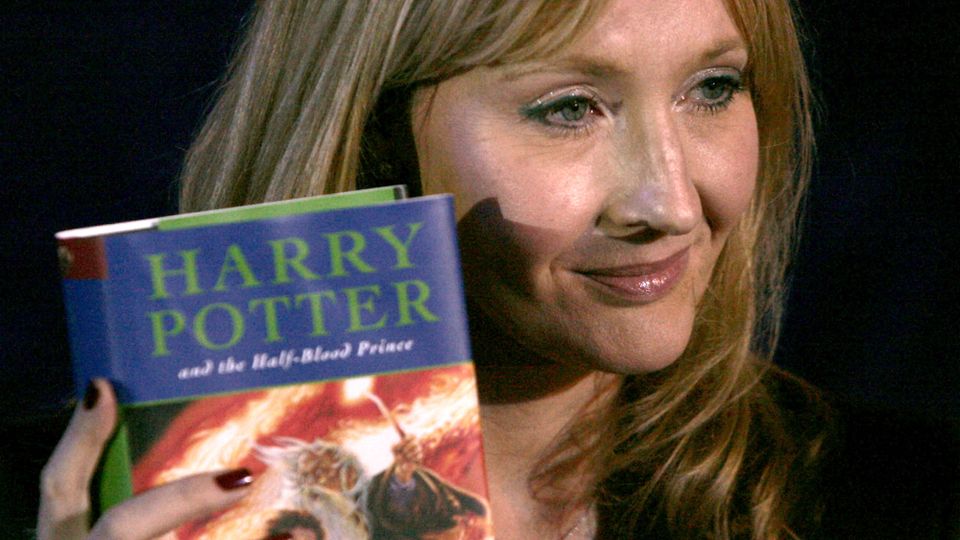
JK Rowling, the renowned British author best known for her Harry Potter series, has had a profound impact on modern literature and culture. With over 500 million copies of her books sold worldwide, Rowling’s work has not only influenced a generation of readers but has also sparked numerous conversations around themes of morality, identity, and societal values. However, her recent controversial statements have led to intense debate regarding freedom of speech, gender identity, and the responsibilities of public figures.
Achievements and Contributions
Rowling’s journey from a struggling single mother to one of the world’s most successful authors is a tale of inspiration. The first Harry Potter book, Harry Potter and the Philosopher’s Stone, was published in 1997, and its success catalyzed a franchise that includes films, theme parks, and even stage adaptations. Rowling’s storytelling ability and character development have been praised for bringing readers into a richly imagined world that appeals to both children and adults.
Moreover, beyond her writing, Rowling has engaged in philanthropy, contributing to various charities, including her own charity, Volant Charitable Trust, and supporting organizations like Gingerbread and Comic Relief.
Controversies and Public Discourse
In recent years, JK Rowling has faced significant backlash due to her comments regarding gender identity and transgender issues. Her tweets and remarks have been interpreted by many as transphobic, leading to widespread criticism from LGBTQ+ activists and allies, as well as support from others who advocate for women’s rights and female spaces. This polarizing stance has positioned her at the center of heated discussions about freedom of expression and the potential consequences of public discourse in the age of social media.
Additionally, the backlash has led to a broader examination of how society treats voices that question dominant narratives, illuminating the delicate balance between respecting individual rights and maintaining open dialogue.
Conclusion
JK Rowling remains a complex figure whose literary achievements are intertwined with her controversial opinions. The conversations surrounding her statements raise important questions about responsibility, accountability, and the impact of celebrity on cultural dialogues. As the discourse continues and evolves, readers and critics alike will be watching closely to see how Rowling’s narrative—both in literature and life—unfolds in the coming years. Her story serves as a reminder of the influential role authors play in shaping societal values and the ongoing dialogue between creativity, freedom, and societal change.