Introduction to Earthquakes
Earthquakes are one of nature’s most powerful and destructive forces. They occur when there is a sudden release of energy in the Earth’s lithosphere, causing seismic waves. Understanding earthquakes is crucial not only for scientists and researchers but also for the general public given their potential to cause significant loss of life and property damage. In recent years, many regions worldwide have experienced increased seismic activity, making awareness and preparedness more relevant than ever.
Current Seismic Activity
According to the United States Geological Survey (USGS), the frequency of earthquakes has seen notable changes globally, particularly in areas known as the “Ring of Fire.” In October 2023, a series of powerful quakes struck Indonesia, registering magnitudes up to 6.8, leading to evacuations and emergency responses. Such events highlight the importance of monitoring and understanding tectonic movements.
Causes of Earthquakes
Earthquakes primarily result from tectonic plate interactions. There are three main types:
- Convergent Boundaries: Plates collide, leading to intense pressure that results in quakes.
- Divergent Boundaries: Plates move apart, creating tension that can also cause earthquakes.
- Transform Boundaries: Plates slide past each other, often causing significant earthquakes along fault lines, like the San Andreas Fault in California.
Effects of Earthquakes
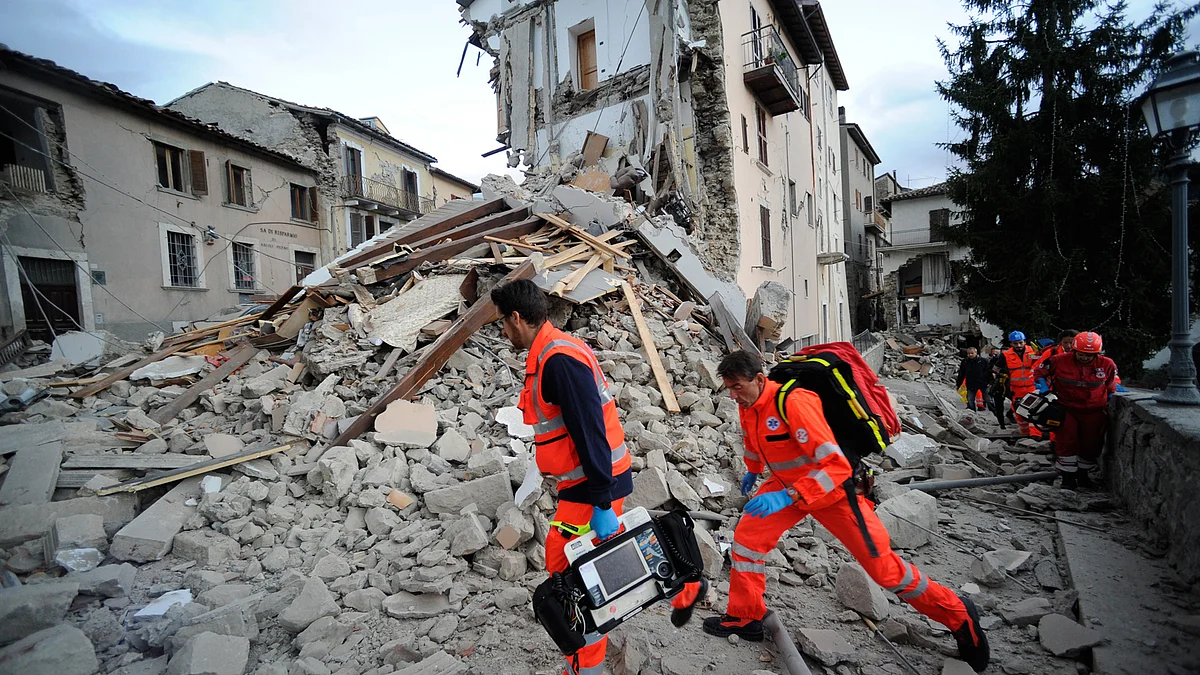
The ramifications of an earthquake can be devastating. Beyond the immediate ground shaking, secondary effects like tsunamis, landslides, and aftershocks can lead to further destruction. The economic impact is also substantial; the International Disaster Emergency Committee reported that the recent Indonesian earthquakes caused an estimated $150 million in damages, affecting thousands of residents and local economies.
Safety Measures and Preparedness
Given their unpredictable nature, preparedness is essential. Experts recommend that individuals and communities take the following precautions:
- Develop an emergency plan that includes evacuation routes and communication strategies.
- Prepare an emergency kit with essentials such as water, food, and first-aid supplies.
- Engage in local programs that promote seismic safety awareness and drills.
Conclusion
As seismic activity continues to pose a threat globally, understanding earthquakes becomes more critical. By increasing awareness and preparedness, individuals and communities can mitigate the effects of these natural disasters. The ongoing research and advancements in seismic technology also provide hope for better prediction capabilities and safer living environments.
In conclusion, while we cannot prevent earthquakes, we can certainly take steps to be prepared and minimize their impact on our lives.