Introduction
The government shutdowns that occurred during Donald Trump’s presidency are significant events in American political history. They highlight the increasing polarization in U.S. politics and reveal the complexities of budget negotiations in Congress. Understanding these shutdowns is crucial for comprehending the contemporary political landscape.
Details of the Shutdowns
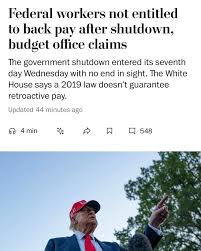
During Trump’s tenure, the U.S. faced several government shutdowns, the most notable occurring from December 2018 to January 2019. This shutdown lasted 35 days, marking the longest in U.S. history. It began as a dispute over funding for Trump’s proposed border wall, where he insisted on a $5.7 billion allocation. The Democratic-controlled House refused to approve the funding, leading to a standoff that resulted in the partial closure of the federal government, affecting hundreds of thousands of federal workers and disrupting services nationwide.
Initially, Trump implied he would take responsibility for the shutdown, famously stating, “I will be proud to shut down the government for border security.” However, as the shutdown lingered, public discontent mounted. Polls indicated that a majority of Americans blamed Trump and the Republicans for the shutdown, leading to significant political pressure.
Consequences of the Shutdowns
The fallout from these shutdowns was severe, affecting various federal departments and agencies, including the Transportation Security Administration (TSA), the National Park Service, and the Federal Bureau of Prisons. National parks saw a surge in litter and vandalism as services were suspended, while TSA agents faced financial distress, leading to a rise in absenteeism and extended wait times at airports.
Economists estimated that the extended shutdown cost the U.S. economy approximately $11 billion, with about $3 billion potentially unrecoverable. This highlighted the dangerous intersection of politics and economic stability, raising concerns over the long-term implications of such disruptions.
Conclusion
The government shutdowns during Donald Trump’s presidency underscore the escalating tensions in U.S. governance. As the country moves forward, lessons learned from these events could shape future negotiations and policymaking processes. Observers suggest that heightened partisanship in Congress may lead to similar conflicts in the future unless more cooperative governance strategies are developed. Understanding the Trump administration’s impact on these shutdowns helps readers gauge the potential for future political stalemates, ultimately influencing American public policy and governance.