Introduction
DJI, short for Dà-Jiāng Innovations Science and Technology Co., Ltd., has emerged as a titan in the drone industry since its founding in 2006. Renowned for its innovative technology and reliable products, DJI holds a substantial market share in consumer drones and has expanded its reach into professional filmmaking, agriculture, construction, and even emergency response. Understanding DJI’s impact on these sectors is crucial for grasping the future of drone technology.
Recent Developments in DJI
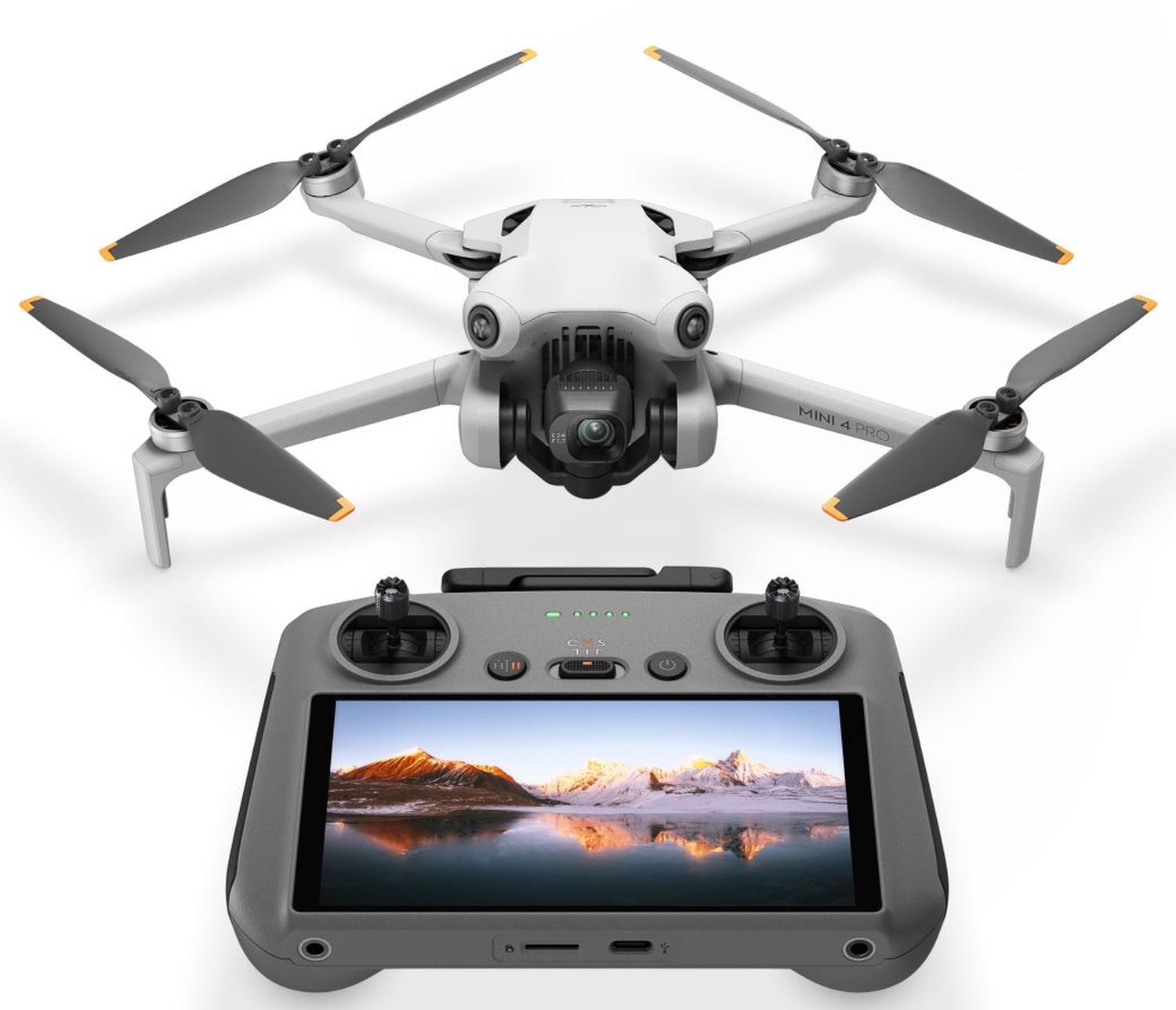
In recent months, DJI has launched several new products that highlight its commitment to pushing technological boundaries. Notably, the DJI Mini 3 Pro, released earlier this year, boasts enhanced battery life, obstacle avoidance capabilities, and advanced shooting features appealing to both hobbyists and professionals. Furthermore, DJI’s introduction of the Mavic 3 Cine has set new standards for aerial cinematography with its 5.1K video recording, attracting filmmakers looking for compact yet high-quality filming equipment.
Despite its success, DJI faces increasing scrutiny and competition. In the United States, it has come under pressure from lawmakers concerning privacy and security allegations related to their drones. In response to these challenges, DJI has launched a transparency initiative that emphasizes user privacy and aims to build trust with its customers. Alongside a commitment to innovation, DJI continues to adapt its strategies in light of regulatory scrutiny.
Applications and Industry Impact
DJI’s impact spans various industries, significantly influencing how aerial data is captured and utilized. In agriculture, drones equipped with intelligent flight modes and multispectral cameras allow farmers to monitor crop health efficiently, optimizing yields while minimizing waste. In construction, the use of drones for site surveying and planning has revolutionized project management, providing real-time aerial insights that are crucial for decision-making.
Moreover, DJI’s technology plays a vital role in emergency response efforts. In disaster scenarios, drones facilitate rapid damage assessments and assist search and rescue operations, proving to be indispensable tools that can save lives when time is of the essence.
Conclusion
As DJI continues to challenge the limits of drone technology, its influence is poised to grow in numerous sectors. The company exemplifies how innovative technology can drive efficiency and effectiveness across industries. For consumers and professionals alike, staying informed about DJI’s developments will be key to understanding the evolving landscape of drone technology. The firm’s ability to navigate regulatory challenges, maintain user trust, and sustain its innovative edge will be crucial determinants of its ongoing success.