Introduction
In a significant move that reverberates through global technology markets, China has officially banned the import of graphics processing units (GPUs) from Nvidia, a leader in chip technology. This decision comes amidst growing tensions in U.S.-China trade relations and escalates concerns over the semiconductor supply chain that is vital to both countries. Understanding the implications of this ban is crucial for businesses, investors, and consumers who rely on advanced computing technology.
The Context Behind the Decision
China’s ban on Nvidia chips stems from increased scrutiny of U.S. technology by the Chinese government, particularly in sectors perceived to be integral to national security. The Chinese authorities cited the need to safeguard domestic technology and reduce dependency on foreign innovations as primary reasons for the ban. Speculation about technology espionage and security threats has fueled this latest action, as tensions between the two nations continue to heighten.
Implications for the Technology Industry
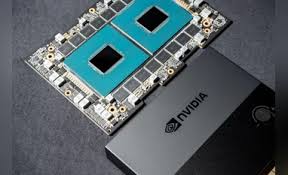
The ramifications of this ban are profound. Nvidia, which is known for its high-performance GPUs used in gaming, data centers, and AI applications, may find its Chinese market severely impacted. As China is one of Nvidia’s largest markets, this decision could lead to significant revenue losses. Additionally, this ban may accelerate the development and production of domestic alternatives within China, which would further alter the competitive landscape.
Experts predict that the ban could drive prices up for remaining available chips and create a shortage, leading to delays in production across various sectors, including PC gaming, AI development, and cloud computing. Furthermore, investors are watching anxiously as companies navigates through this tumultuous market, ensuring diversified supply chains to minimize risks associated with trade restrictions.
Global Market Reactions
The announcement has elicited mixed reactions globally, with tech companies in the U.S. and allied nations hurriedly reassessing their supply chains and partnerships. Some analysts suggest this might compel Western tech firms to bolster their presence in the semiconductor arena to fill the gap left by Nvidia in China.
Conclusion
The ban on Nvidia chips by China marks a pivotal moment in the global technology landscape, reflecting ongoing tensions between the U.S. and China. As businesses and consumers brace for potential disruptions in chip availability, it becomes evident that the implications of this ban will surface in various sectors. Stakeholders are urged to monitor further developments closely as they will likely shape the technological and economic spheres in the coming months. As the semiconductor industry evolves, navigating these challenges will require strategic foresight and adaptability from companies around the world.