Introduction
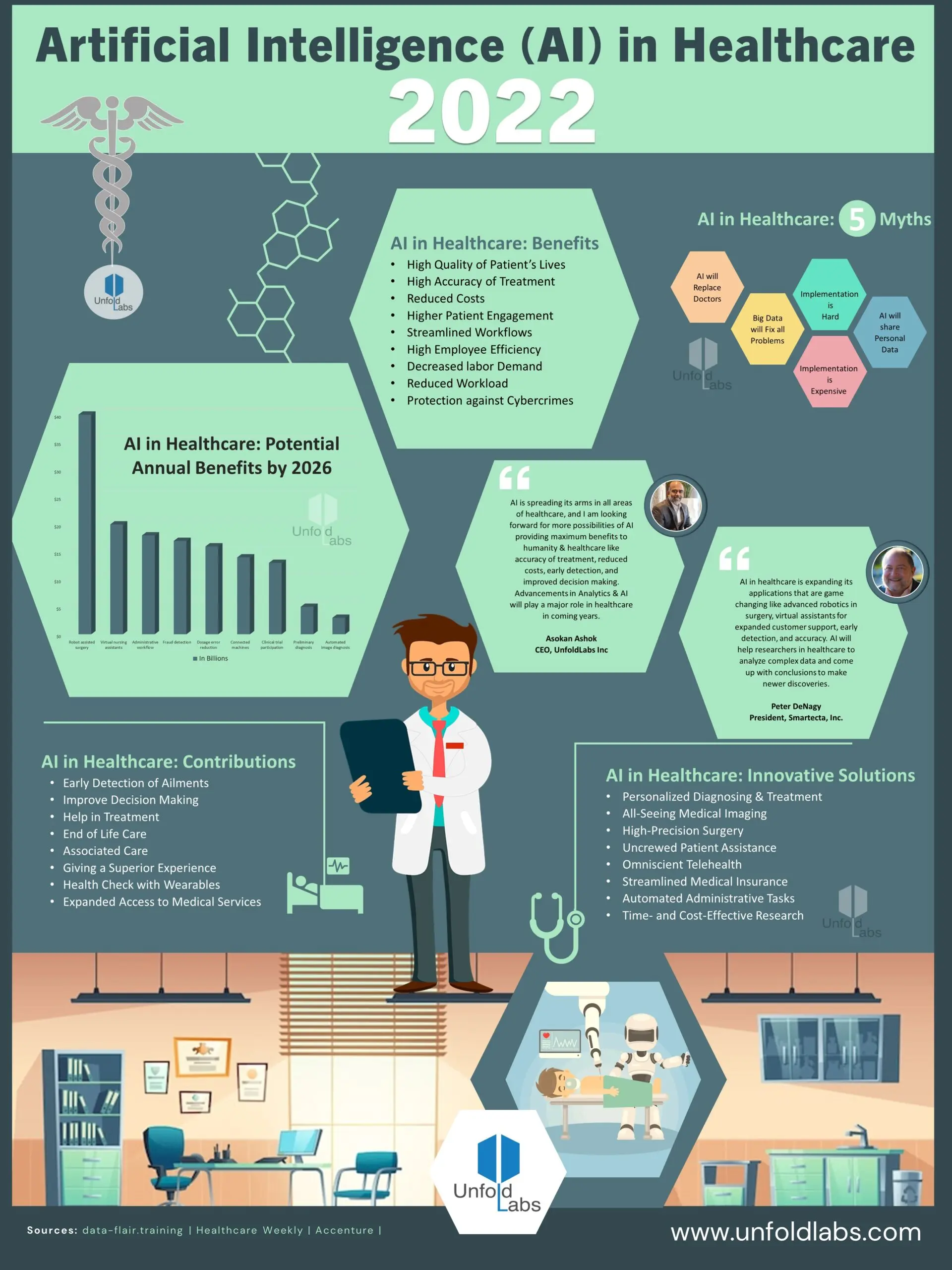
The integration of Artificial Intelligence (AI) in healthcare is rapidly revolutionizing the landscape of medical practices, making patient care more efficient and effective. As hospitals and clinics worldwide increasingly adopt these technologies, the importance of AI in healthcare continues to grow, addressing critical challenges such as diagnostic accuracy, treatment personalization, and operational efficiencies.
Advancements in AI Technology
Recent advancements in machine learning, natural language processing, and data analytics have opened new avenues in healthcare. According to a report from McKinsey, AI applications could potentially create $200 billion in annual savings for the U.S. healthcare system by 2026. AI algorithms can now analyze medical data at an unprecedented scale, assisting in diagnostics such as radiology and pathology with higher accuracy than traditional methods.
Key Applications of AI in Healthcare
1. Diagnostics: AI systems can evaluate medical images more accurately. For instance, DeepMind’s AI was able to detect over 94% of breast cancer cases, outperforming experienced radiologists in many scenarios.
2. Personalized Medicine: By analyzing genetic and clinical data, AI systems help create tailored treatment plans that enhance the effectiveness of therapies.
3. Predictive Analytics: AI can predict patient outcomes by analyzing patterns within large datasets, aiding in proactive medical interventions and improving resource allocation.
4. Administrative Efficiency: AI tools streamline operations, such as scheduling and billing, automating repetitive tasks and allowing healthcare professionals to focus more on patient care.
Challenges and Ethical Considerations
Despite the promising benefits, the use of AI in healthcare faces challenges such as data privacy concerns and the potential for algorithmic bias. Ensuring equitable access to AI-driven healthcare and maintaining the human touch in patient interaction remain critical considerations in the advancement of these technologies.
Conclusion
As AI continues to make strides in healthcare, its integration promises to enhance patient outcomes through improved diagnostics, personalized treatments, and administrative efficiencies. Stakeholders in the healthcare industry must work collaboratively to address the ethical implications and foster a future where AI is leveraged to provide equitable and high-quality care for all. As we move forward, adopting ethical AI frameworks will be essential in balancing innovation with patient safety and care quality.