Introduction
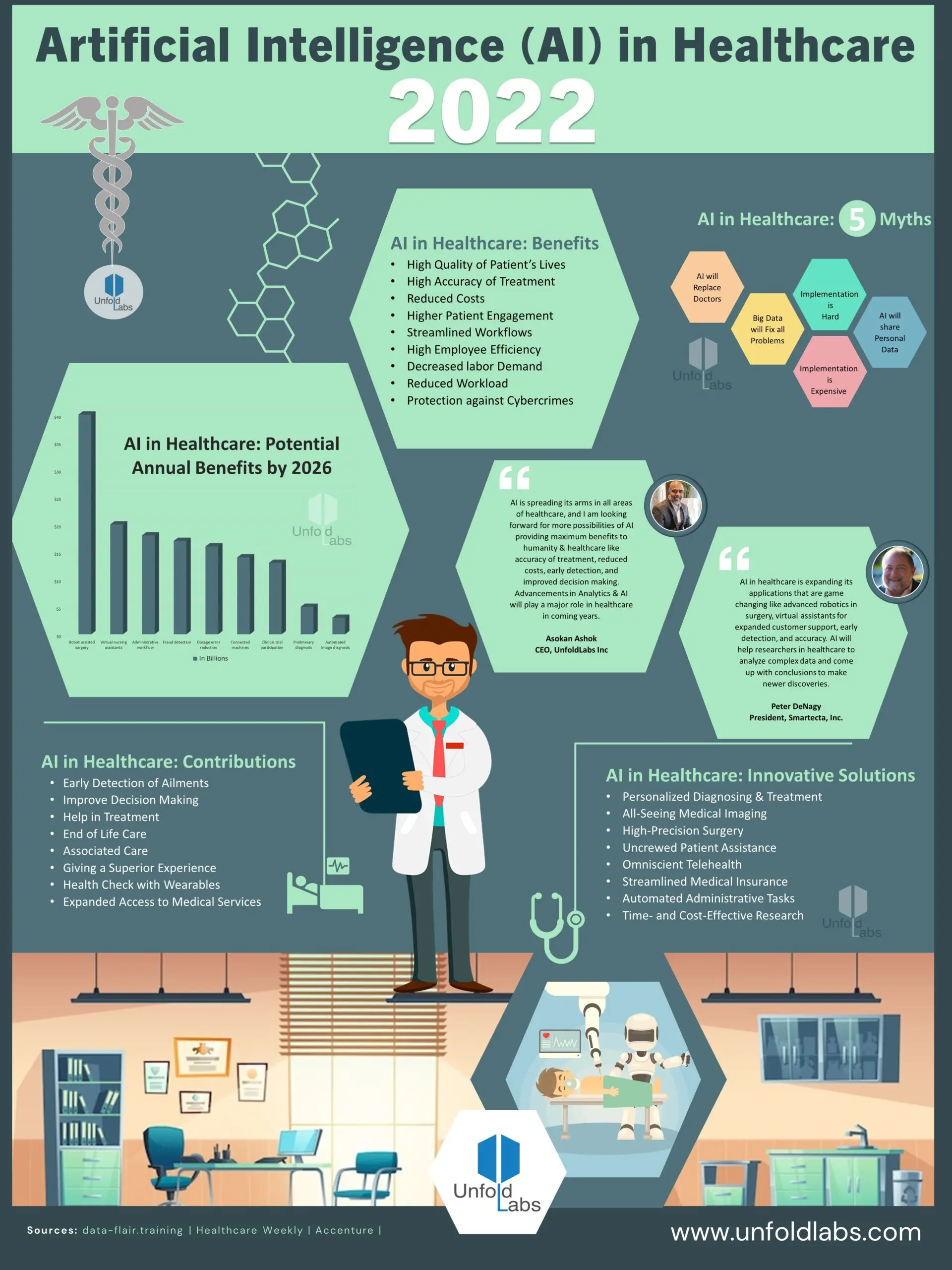
Artificial Intelligence (AI) is increasingly becoming a pivotal factor in transforming healthcare, fostering innovation across various medical sectors. With the growing capacity to process vast amounts of data, AI tools are revolutionizing patient diagnosis, treatment, and overall healthcare delivery. Understanding the role AI plays in healthcare is crucial for patients, providers, and policymakers alike, as it not only improves efficiency but also enhances clinical outcomes.
Current Applications of AI in Healthcare
AI applications in healthcare are vast and varied. One of the most prominent uses is in diagnostics, where AI algorithms assist in interpreting medical images, such as X-rays and MRIs. For instance, a study published in the journal *Nature* noted that an AI system developed by Google Health was able to outperform radiologists in breast cancer detection, improving accuracy by a significant margin.
Another application lies in predictive analytics. AI tools analyze patient data to identify potential health risks, enabling providers to implement preventive measures. For example, hospitals employ machine learning models to predict patient readmission rates, helping to allocate resources more effectively and enhance patient care.
Moreover, AI chatbots are being utilized for triage and patient interaction, providing preliminary consultations and reducing the burden on healthcare professionals. This offers a dual benefit—improving patient access to care while optimizing provider workload.
Challenges and Considerations
Despite its benefits, the integration of AI in healthcare comes with challenges. Concerns about data privacy, algorithm bias, and the need for transparency in AI decision-making processes are critical topics that stakeholders must address. For example, a report by the World Health Organization raised alarms regarding the transparency of AI algorithms, emphasizing the importance of ethical guidelines to ensure fair and unbiased outcomes.
Conclusion
The future of AI in healthcare is promising, with forecasts suggesting continued growth in its application over the coming years. Innovations like personalized medicine, where treatments are tailored to individual genetic profiles, and AI-enabled robotic surgeries are on the horizon. As AI technology evolves, it will likely play an increasingly integral role in patient care and overall healthcare management. Ultimately, embracing these advancements will be essential for improving health outcomes and driving efficiency in healthcare systems worldwide.