Introduction
As the world faces the pressing challenges of climate change and the depletion of fossil fuels, renewable energy projects have taken center stage in both environmental discussions and economic development strategies. These projects not only aim to provide sustainable energy sources but also support job creation and energy independence.
Current Trends in Renewable Energy Projects
In recent years, numerous countries have ramped up investments in renewable energy, driven by technological advancements and falling costs. According to the International Renewable Energy Agency (IRENA), global renewable energy capacity reached 3,064 gigawatts (GW) in 2020, marking a 10.3% increase compared to 2019. This upward trend is expected to continue, with projections estimating that renewable sources could account for 80% of the world’s energy supply by 2050.
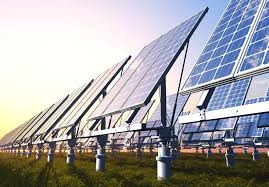
In the United States, renewable energy projects are expanding rapidly across various sectors. Wind energy has seen significant growth, particularly in states like Texas and Iowa, where large-scale wind farms have been developed. Similarly, solar energy projects have proliferated, with rooftop solar installations and utility-scale solar farms becoming increasingly common. The U.S. Department of Energy reported that solar capacity installations hit 19.2 GW in 2020 alone.
Government Initiatives and Incentives
Government policies play a crucial role in promoting renewable energy projects. The Biden administration has set ambitious targets, including a pledge to achieve 100% carbon-free electricity by 2035 and to cut overall greenhouse gas emissions in half by 2030. To support these goals, various incentives, such as tax credits and subsidies for renewable energy projects, have been introduced.
States also contribute significantly. California’s Renewable Portfolio Standard mandates that 60% of its energy must come from renewable sources by 2030, while New York’s Clean Energy Standard requires 70% by 2030. These initiatives are not only driving investment but also encouraging innovation in renewable technology.
Challenges Facing Renewable Energy Projects
Despite the optimism surrounding renewable energy projects, challenges remain. Issues such as regulatory hurdles, land use conflicts, and the need for advancements in energy storage technology must be addressed to support the large-scale integration of renewables into existing energy grids. Moreover, transitioning from fossil fuels can be economically challenging for certain regions reliant on traditional energy sources.
Conclusion
As the world increasingly recognizes the importance of sustainable energy solutions, the significance of renewable energy projects cannot be overstated. They present opportunities for economic growth, job creation, and reduced reliance on fossil fuels. Looking ahead, the continued development and scaling of these projects will play a critical role in combating climate change and achieving energy security. For readers invested in environmental sustainability, understanding and supporting renewable energy initiatives will be vital as we navigate the transition to a greener future.