Introduction
Rare earth minerals have become a focal point in global discussions around technology, energy, and sustainability. As societies increasingly rely on advanced electronics, clean energy solutions, and military advancements, the demand for these minerals—often dubbed the ‘new gold’—is at an all-time high. Their significance cannot be overstated, as they are integral to producing everything from smartphones to wind turbines and electric vehicles.
The State of Rare Earth Minerals
Rare earth minerals comprise a group of 17 elements that possess unique properties and are essential in multiple high-tech applications. These include lanthanum, neodymium, and dysprosium, among others. Despite their name, these elements are not particularly rare in terms of abundance; however, they are challenging to extract and process, leading to supply chain vulnerabilities. As of 2023, China remains the dominant player in the rare earth market, accounting for around 60% of global production and a significant portion of processing capabilities. Other countries, including the United States, Australia, and Vietnam, are making strides to develop their own rare earth deposits to diversify supply chains.
Current Events and Trends
The geopolitical landscape is heavily influencing the rare earth minerals market. Following increased tensions between the U.S. and China, the Biden administration announced initiatives aimed at bolstering domestic supply chains for these critical resources. The Department of Defense has also prioritized securing rare earth minerals in response to national security concerns. Recent exploration activities and investments in mining projects across North America and Europe suggest a burgeoning rare earth industry outside of Asia.
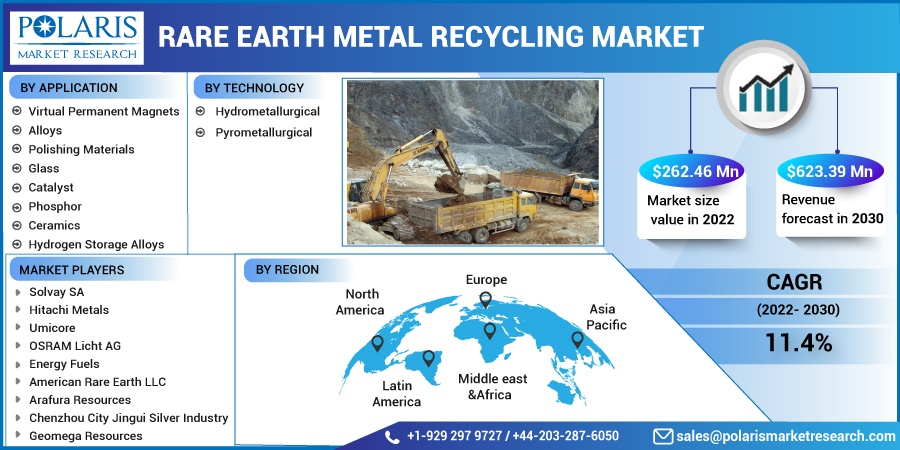
Additionally, advancements in recycling technologies are providing a new avenue for sourcing these vital materials. Companies are increasingly looking to recycle rare earth elements from old electronics to lessen reliance on primary mining sources. Some estimates indicate that recycling could supply up to 10% of the global demand for rare earth minerals in the coming years.
Conclusion
In conclusion, the demand for rare earth minerals is expected to continue its upward trajectory as the global economy transitions toward greener technologies and digitalization. For consumers, this shift means that the technology they increasingly rely on may come with a higher environmental cost if sustainable sourcing is not integrated into manufacturing processes. As international focus sharpens on reducing dependence on single-source suppliers, innovations in recycling and domestic mining will become critical components of securing a stable supply chain. Thus, the growing significance of rare earth minerals not only highlights current economic trends but potentially shapes technological advancements for generations to come.