Introduction
The threat of government shutdowns looms large in the U.S. political landscape, significantly affecting federal operations and services. The recent budgetary standoffs and the intertwining of politics and public service make the topic more pertinent than ever. Under former President Donald Trump’s administration, the U.S. experienced some of the longest government shutdowns in history, raising questions about governance, political strategy, and their consequences.
The Events of Trump’s Government Shutdowns
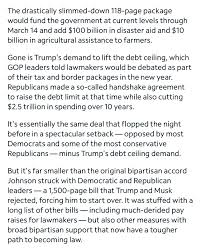
During Donald Trump’s presidency, the U.S. witnessed three notable shutdowns, with the most significant occurring from December 2018 to January 2019. This 35-day impasse stemmed from a dispute over Trump’s proposed funding for the southern border wall, which he argued was necessary for national security and immigration control. The Democrats, opposing his vision, refused to allocate the requested $5.7 billion, leading to the longest shutdown in U.S. history.
The shutdown had a profound impact on millions of Americans, affecting federal employees who were furloughed or forced to work without pay, and disrupting crucial government services. National parks closed, food safety inspections slowed, and many government contracts stalled, illustrating how intertwined the economy is with federal operations.
The Consequences and Public Reactions
The shutdown sparked significant public backlash, highlighting the struggles federal workers faced and the inconvenience experienced by citizens relying on government services. Surveys indicated that public support for Trump decreased during this period, reflecting frustration over the gridlock and its repercussions. Economists noted that the shutdown’s costs to the economy could exceed $11 billion, showcasing the tangible ramifications of political brinkmanship.
In the midst of the shutdowns, Trump’s administration frequently employed social media to rally his base, arguing that border security needed immediate attention. This tactic polarized opinion further, creating a divide between supporters who viewed the shutdown as a necessary stance on immigration and opponents who saw it as neglecting government responsibility.
Conclusion: Implications for Today
The legacy of government shutdowns during Donald Trump’s presidency raises significant questions about the current political climate. As budget negotiations resume in Congress, the looming threat of another shutdown remains a possibility, especially amid political divisions. Observers warn that the tactics employed during Trump’s era could serve as precedents, where budget negotiations transform into high-stakes political maneuvers rather than cooperative governance.
As the American public remains divided on government priorities, it is crucial for citizens to engage with their elected officials and advocate for stability and responsible decision-making. Understanding the past actions and outcomes associated with government shutdowns can serve as a vital framework for navigating future political scenarios and minimizing disruptions to federal services.