Introduction
The automotive industry is undergoing a significant transformation, driven by rapid advancements in technology and changing consumer preferences. As electric vehicles (EVs), autonomous driving, and connected car technology gain momentum, understanding these innovations is crucial for both consumers and industry stakeholders. The relevance of this topic extends beyond mere transportation; it encompasses environmental considerations, economic impacts, and societal changes.
Recent Developments in Car Technology
In recent months, several key trends have emerged in the car industry that signify its ongoing evolution. The push towards sustainability has accelerated interest in electric vehicles, with many nations pledging to ban the sale of new internal combustion engine vehicles in the next decade. For instance, California plans to end the sale of gas cars by 2035, prompting manufacturers to ramp up their EV production.
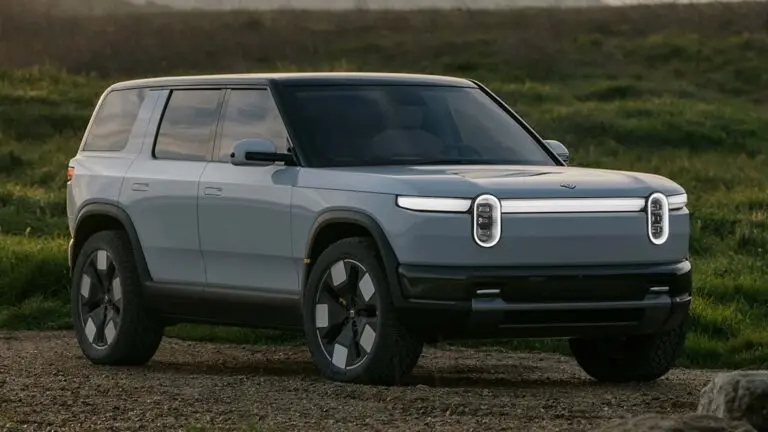
Moreover, companies like Tesla, Ford, and General Motors have accelerated their electric vehicle rollout, with notable models like the Ford F-150 Lightning and GM’s Hummer EV attracting widespread attention. According to a recent report from the International Energy Agency, global electric car sales surged to 6.6 million units in 2021, a staggering increase of 108% from the previous year.
Autonomous Vehicles: The Next Frontier
Another major trend is the advancement of autonomous vehicles. Companies such as Waymo, Cruise, and Tesla are investing heavily in developing self-driving capabilities. In 2023, Waymo expanded its fully autonomous ride-hailing service in Phoenix, Arizona, providing a glimpse into a future where cars drive themselves, potentially reducing traffic accidents and improving mobility for those unable to drive.
Smart Cars and Connectivity
Connected cars are another area experiencing rapid growth. The integration of artificial intelligence (AI) and the Internet of Things (IoT) is enabling vehicles to communicate with each other and with infrastructure, increasing overall safety and efficiency. Features such as real-time traffic updates, remote diagnostics, and enhanced infotainment systems contribute to a growing demand for smart vehicles. As of 2023, it is estimated that 38% of all cars on the road in the U.S. are equipped with some form of connectivity.
Conclusion
In conclusion, the automotive industry is at a crossroads, with electric vehicles, autonomous technology, and connected services shaping its future. As these developments continue to advance, they hold the potential to not only revolutionize personal transportation but also impact urban planning, energy consumption, and environmental sustainability. For consumers, staying informed about these changes is essential for making educated choices regarding vehicle purchases and transportation options in the coming years.