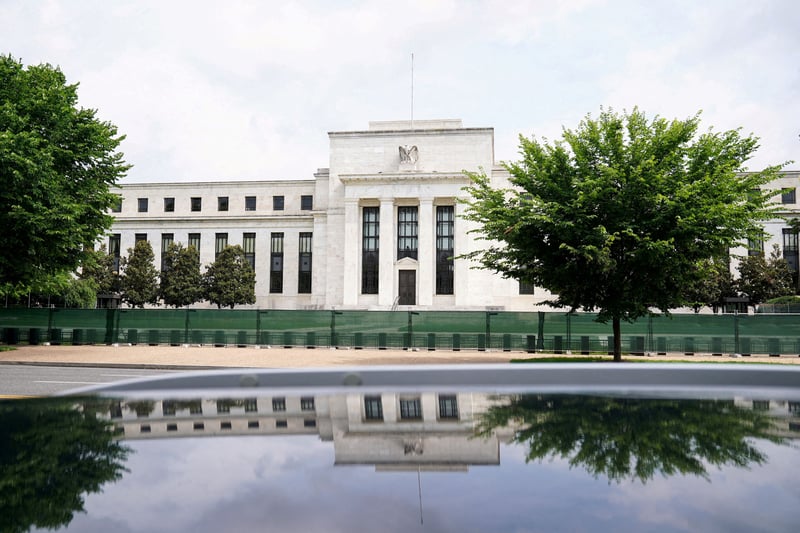
Importance of the Federal Reserve
The Federal Reserve, often referred to as the Fed, is the central bank of the United States and plays a pivotal role in the nation’s economy. Established in 1913, the Fed is responsible for implementing monetary policy, regulating banks, maintaining financial stability, and providing financial services to the government. In recent times, discussions surrounding the Fed have gained substantial relevance as it navigates through challenges posed by inflation, employment rates, and global economic uncertainties.
Current Economic Context
As of October 2023, the U.S. economy continues to recover from the pandemic’s impact. The consumer price index has shown signs of growing inflation, with rates hovering around 4% annually. In response, the Fed has taken a cautious stance, raising interest rates several times throughout 2023 to combat inflation and stabilize prices. This year, the federal funds rate has risen to a range of 5.25% to 5.50%, which is the highest level in over two decades. These adjustments are aimed at curbing excessive spending and ensuring that inflation remains within the targeted 2% range.
Recent Actions by the Fed
During its latest meeting in September 2023, the Federal Open Market Committee (FOMC) decided to maintain the current interest rate but hinted at potential future increases if inflation remains persistent. Fed Chair Jerome Powell emphasized the importance of patience and thorough analysis before deciding to adjust policies further. The commitment to a careful approach marks a significant step towards sustaining economic growth while keeping inflation in check.
Implications for the Public
Decisions made by the Fed have far-reaching consequences for the general public. Higher interest rates can lead to increased costs for borrowing, impacting mortgages, car loans, and credit cards. On the other hand, maintaining low inflation supports the purchasing power of consumers. As individuals and businesses adapt to changing economic realities, understanding the role and decisions of the Fed becomes crucial.
Conclusion
In conclusion, the Federal Reserve remains a vital component in steering the U.S. economy through turbulent waters. As it weighs the implications of its interest rate policies against inflationary pressures, the Fed’s actions will undeniably shape the economic landscape in the coming months. Readers should stay informed about these developments, as they hold significant implications for personal finance and the broader economy.