Introduction
The concept of warfare has dramatically evolved over centuries, shaped by technological advancements, geopolitical tensions, and changing warfare tactics. In 2023, understanding the current trends in warfare is crucial, not just for military strategists but for governments, policymakers, and citizens worldwide. As conflicts tend to arise in complex environments, recognizing how warfare is conducted today enables better preparedness and response strategies.
Modern Warfare Dynamics
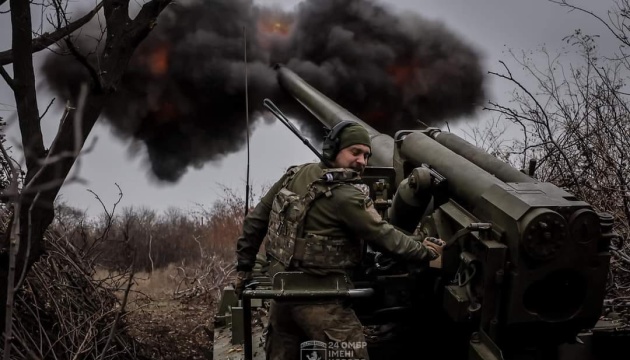
Traditional notions of warfare, involving large-scale troop deployments and direct confrontations, are increasingly shifting towards asymmetric warfare, cyber warfare, and advanced technology applications. Countries are not only investing in conventional military capabilities but also enhancing their cyber defense mechanisms, employing drones and unmanned systems, and harnessing artificial intelligence (AI) for decision-making processes.
One of the most significant shifts has been observed in the use of drones. They have become indispensable in reconnaissance and strike missions, providing critical intelligence while minimizing risks to human soldiers. Notably, the Russia-Ukraine conflict has showcased the use of commercial off-the-shelf drones for surveillance and targeting, setting a new precedent for smaller nations with limited defense budgets.
The Role of Cyber Warfare
As nations continue to rely on technology, cyber warfare has emerged as a central pillar of modern conflicts. Cyber attacks can incapacitate critical infrastructure, disrupt communication, and manipulate public discourse without traditional military engagement. In 2023, incidents have increased worldwide, with state-sponsored hacking groups targeting energy grids and healthcare systems, pushing the importance of cybersecurity to the forefront of national security discussions.
Geopolitical Impacts
The evolving nature of warfare has direct implications on geopolitical relationships. Nations like China and Russia are expanding their influence through hybrid warfare strategies that blend conventional military might with cyber and informational tactics. This creates new challenges and pressures on alliances such as NATO, compelling member countries to improve interoperability and cooperative defense strategies.
Conclusion
As we navigate 2023, the landscape of warfare is complex and multifaceted. The integration of advanced technologies and the rise of cyber capabilities are fundamentally reshaping how conflicts may occur in the future. Understanding these trends is vital for national defense strategies and fostering international stability. As technological innovations continue to evolve, nations must remain vigilant and adaptable, crafting policies that are responsive to an ever-changing global security environment.