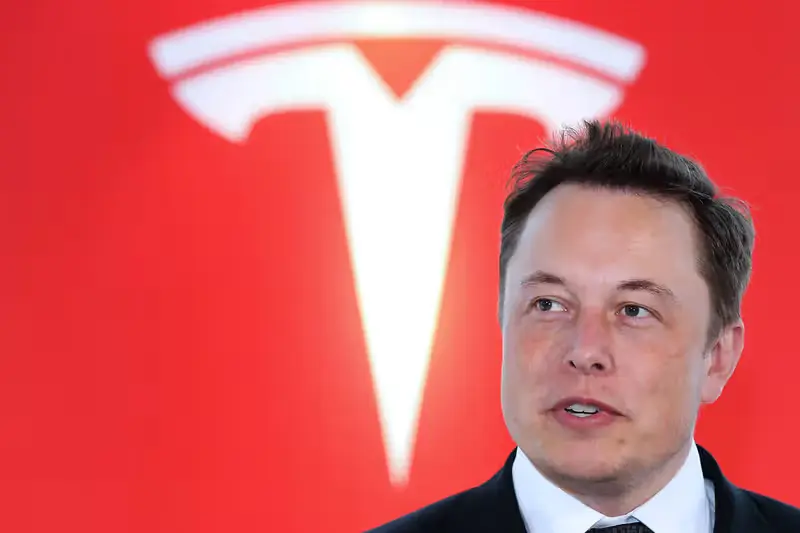
Introduction to Tesla
As the world’s leading electric vehicle (EV) manufacturer, Tesla has significantly influenced the automotive industry and accelerated the global transition to sustainable energy. Founded in 2003 by engineers Martin Eberhard and Marc Tarpenning, and later joined by entrepreneur Elon Musk, Tesla has emerged as a pioneer in innovation, carving a niche in electric vehicles, battery technology, and renewable energy solutions.
Recent Developments
In recent months, Tesla has made headlines with a series of advancements and announcements that underline its commitment to innovation. The company reported a record delivery of over 440,000 vehicles in the third quarter of 2023, indicating a growing consumer interest in electric vehicles. Additionally, Tesla has begun expanding its Gigafactory in Austin, Texas, which is expected to significantly increase production capacity for its highly anticipated Cybertruck and Model Y. This expansion signifies Tesla’s effort to meet soaring demand while keeping production efficient.
Technological Innovations
Tesla continues to lead in technological innovations, with its Autopilot and Full Self-Driving (FSD) capabilities attracting considerable attention. Recently, the company rolled out an extensive software update to enhance the FSD Beta functionality, enabling more advanced autonomous driving features. Moreover, Tesla’s commitment to battery technology has resulted in the development of the 4680 battery cells, which promise improved performance and lower manufacturing costs. This technology is pivotal in enhancing the overall affordability and efficiency of its electric vehicles.
Environmental Impact and Sustainability
Beyond automobiles, Tesla is committed to promoting sustainable energy solutions. Tesla’s solar products and energy storage solutions aim to reduce carbon footprints and dependence on fossil fuels. The company’s efforts in solar technology, particularly the Solar Roof, have garnered attention as a practical solution for residential energy needs. This aligns with global efforts towards cleaner energy and demonstrates Tesla’s dedication to environmental sustainability.
Conclusion
As Tesla continues to push the boundaries of innovation in the automotive sector, it becomes increasingly clear that the company is not just a car manufacturer but a leader in sustainable technology. The recent expansion of production facilities and advancements in vehicle technology reflect Tesla’s strategic vision for the future. As the demand for electric vehicles rises, Tesla’s role in shaping this market will be crucial. For consumers and industry stakeholders alike, Tesla’s ongoing innovations and commitment to sustainability will significantly impact how the automotive sector evolves in the coming years.