Introduction
The Erie Canal, completed in 1825, played a crucial role in shaping the economic landscape of New York and the United States. Stretching approximately 363 miles from Albany on the Hudson River to Buffalo at Lake Erie, it revolutionized transportation and trade by connecting the Atlantic Ocean with the Great Lakes. Understanding its significance and current relevance sheds light on its enduring impact on regional development as well as national infrastructure.
Historical Background
The Erie Canal was conceived in the early 19th century when New York faced immense economic competition from rival ports. Governor DeWitt Clinton championed the project, promoting it as a means to improve trade and link the interior of the continent with international markets. Upon its opening, the canal dramatically reduced transportation costs, making it more feasible for goods to be moved between the eastern United States and the Midwest.
Economic Impact
The initial effects of the Erie Canal were staggering. The cost of shipping goods fell by about 95%, leading to an explosion of economic activity. Towns along the canal flourished, evolving into vibrant centers of commerce. By connecting New York City to the hinterlands, the canal helped establish it as the Empire State’s economic capital. The Erie Canal also played a pivotal role in the westward expansion of the United States, facilitating the movement of settlers and resources.
Modern Relevance
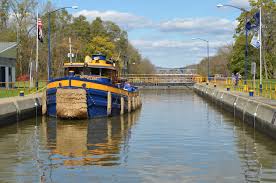
Today, the Erie Canal is not just a historical monument but also a critical component of New York’s transportation infrastructure. It is maintained for recreational use, attracting tourists for boating, fishing, and biking along the scenic pathways. Recent initiatives aim to promote sustainable transportation through the canal, aligning with modern environmental goals. Investments have been made to deepen the canal and improve facilities for commercial navigation, ensuring it remains a viable route for freight transport.
Conclusion
The Erie Canal’s historical significance has laid the groundwork for economic development in New York and beyond. As we move forward, it is crucial to appreciate the canal not only for its past achievements but also for its role in an increasingly interconnected world. The ongoing maintenance and upgrades signal a commitment to preserving this vital waterway for future generations, ensuring that it continues to serve both recreational and commercial purposes. The Erie Canal remains a testament to innovation, resilience, and the importance of infrastructure in fostering growth.