Introduction
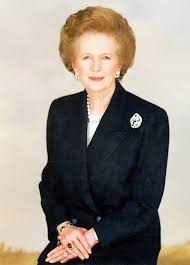
Margaret Thatcher, known as the ‘Iron Lady’, served as the Prime Minister of the United Kingdom from 1979 to 1990, making history as the first woman to hold the position. Her policies and leadership style have left an indelible mark on British politics and the wider world. Understanding her legacy is crucial as it sheds light on contemporary political dynamics and the ongoing debates around conservatism and leadership.
Key Policies and Achievements
Thatcher’s tenure was characterized by a commitment to free-market policies, a reduction in the power of trade unions, and a restructuring of the British economy. Her government implemented significant tax cuts and privatized numerous state-owned industries, leading to drastic shifts in the social and economic landscape of the UK. These policies, grouped under the term ‘Thatcherism’, sparked significant debate, with supporters lauding her for revitalizing the economy and opponents criticizing her for increasing inequality and unemployment.
International Relations and Influence
On the international scene, Thatcher was a strong ally of the United States during the Cold War, fostering a close relationship with President Ronald Reagan. Her firm stance against the Soviet Union and her role in NATO contributed to the eventual end of the Cold War. Additionally, she played a pivotal role in the Falklands War, reaffirming British sovereignty over the islands in a conflict with Argentina. This decisive action not only bolstered her popularity at home but also showcased her commitment to national security.
Controversies and Criticism
Despite her numerous achievements, Thatcher’s legacy is not without controversy. Critics argue that her policies widened the gap between the rich and poor, leading to social unrest and a decline in public services. The poll tax introduced in the late 1980s remains a particularly contentious aspect of her administration, inciting widespread protests and contributing to her eventual resignation in 1990.
Conclusion
Margaret Thatcher’s influence on both British and global politics is significant and multifaceted. As a polarizing figure, she is celebrated by some for her unwavering resolve and criticized by others for the social inequities that emerged during her governance. Her legacy continues to be a topic of debate as modern political leaders draw lessons from her life and leadership style. Understanding Thatcher’s role in shaping the political landscape can provide today’s leaders and citizens with insights into the complexities of governance and public policy.