Introduction
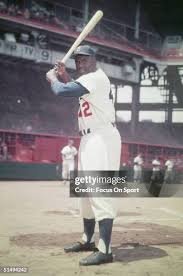
Jackie Robinson is a name that resonates beyond the baseball diamond; he is an iconic figure in American history. Robinson broke the color barrier in Major League Baseball (MLB) when he made his debut with the Brooklyn Dodgers on April 15, 1947. As the first African American to play in the major leagues in the modern era, Robinson’s courage and talent not only transformed the landscape of professional sports but also made significant strides in the civil rights movement. His legacy continues to influence social justice efforts and remains relevant in today’s discussions about race and equity in sports.
Jackie Robinson’s Historic Major League Debut
When Jackie Robinson stepped onto Ebbets Field in 1947, he was not just a player; he was a symbol of hope for millions of African Americans who faced systemic racism and discrimination. Despite facing intense scrutiny and hostility from fans, players, and even management, Robinson excelled on the field. In his first season, he won the National League Rookie of the Year Award and was named an All-Star six times over his career. He played a vital role in leading the Dodgers to a World Series victory in 1955, breaking a long-standing drought for the team.
Contributions to Civil Rights
Robinson’s impact reached beyond baseball. He used his platform to advocate for civil rights and social justice. His friendship with civil rights leaders like Martin Luther King Jr. showcased his commitment to fighting racial injustice. Robinson was a member of the NAACP and frequently spoke out against discrimination, becoming a role model for many. In 1963, he was awarded the Spingarn Medal, recognizing his achievements and contributions to African American communities.
Jackie Robinson Day
Every April 15, MLB honors Robinson’s contributions to the sport by celebrating Jackie Robinson Day. On this day, all players wear his iconic number 42, ensuring that his legacy is remembered and celebrated. The tribute extends not only to his athletic accomplishments but also to his role as a pioneer in the fight for equality. This annual event draws attention to ongoing issues related to race in America and the importance of inclusivity in sports.
Conclusion
The legacy of Jackie Robinson remains as poignant as ever. As discussions about race and equity continue within the sports community and society at large, Robinson’s life serves as a reminder of the power of an individual to effect change. His bravery in facing adversity, paired with his remarkable talent, established a new path for athletes of color. The significance of Jackie Robinson’s contributions to baseball and civil rights can still be felt, inspiring generations to come to challenge injustice and strive for equality in all aspects of life.