Introduction
Mary Shelley’s Frankenstein, first published in 1818, is widely regarded as one of the foundational texts of science fiction. The novel explores themes of creation, responsibility, and the ethical implications of scientific advancement, making it highly relevant in today’s world where rapid technological changes raise similar moral questions. As we advance further into the realms of genetic engineering and artificial intelligence, reflecting on Shelley’s cautionary tale has never been more pertinent.
The Plot and Themes
Frankenstein tells the story of Victor Frankenstein, a young scientist who becomes obsessed with the idea of reanimating the dead. In pursuit of this goal, he creates a sentient creature but is horrified by what he has unleashed. The novel raises important questions about the nature of humanity, the responsibilities of the creator towards their creation, and the consequences of playing God. These themes continue to resonate in discussions about biotechnology and AI, as we grapple with the potential outcomes of our innovations.
Current Cultural Relevance
As we witness rapid advancements in technology, including CRISPR gene editing and AI innovations, the themes in Frankenstein echo loudly in contemporary debates. For example, discussions about the ethics of cloning and the creation of autonomous machines reflect Shelley’s narrative. Experts are now urging for a proactive approach to regulate these emerging technologies to avoid mishaps that could have dire consequences, akin to those faced by Victor Frankenstein and his creature.
Adaptations and Influence
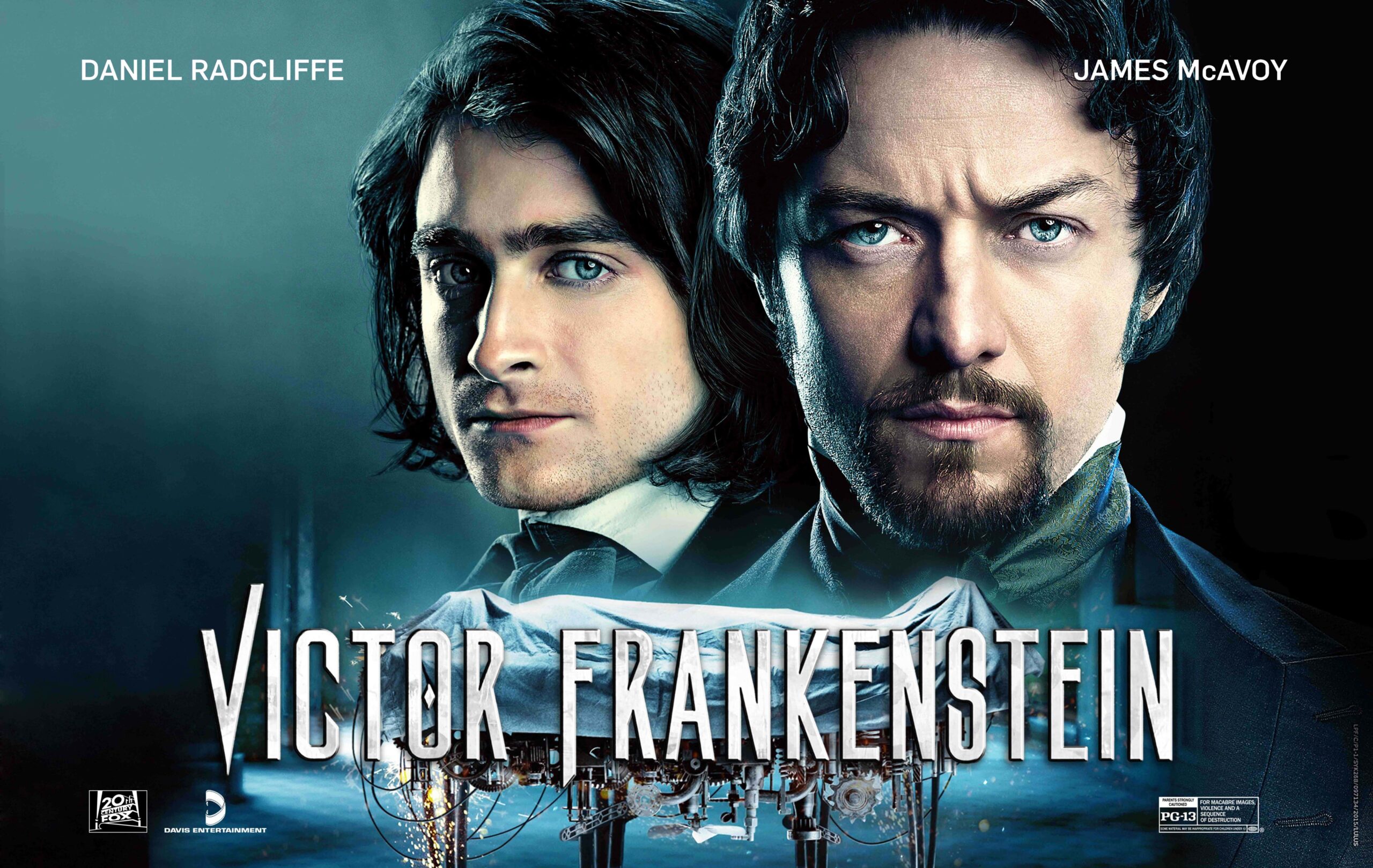
The influence of Frankenstein extends beyond literature into film, theater, and art. Countless adaptations have surfaced, each interpreting Shelley’s themes in new ways. This not only highlights the story’s timelessness but also underscores its ability to adapt to changing societal fears and moral dilemmas. Recent adaptations have focused on the psychological aspects of the creature, moving away from the traditional horror portrayal, which speaks to a modern understanding of monstrosity as a reflection of societal issues.
Conclusion
Mary Shelley’s Frankenstein remains a critical work for understanding our current societal landscape, particularly as we confront the ethical dimensions of scientific progress. Its warnings about unchecked ambition and the quest for knowledge continue to resonate, urging us to consider the moral implications of our actions as we navigate a future steeped in technology. As we look ahead, it is vital for readers and innovators alike to reflect on Shelley’s chilling tale to guide responsible and ethical advancements in science.